
CGIAR Statement at UN Biodiversity Conference High-level Segment
Statement on 28 October 2026 by Dr Vânia Azevedo, Director Genebanks and Head of the CGIAR Delegation.


Statement on 28 October 2026 by Dr Vânia Azevedo, Director Genebanks and Head of the CGIAR Delegation.
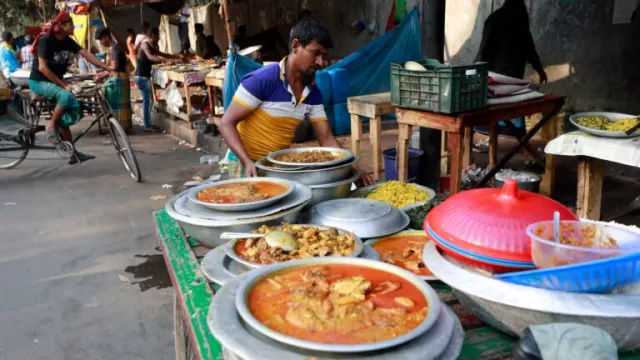
Extreme heat is threatening urban livelihoods. Food vendors and other informal workers in cities like Dhaka face growing health and income risks as temperatures rise.

From restoring forests in Kenya to improving livestock services in Nepal and fish processing on Lake Victoria, the 2026 CGIAR Scaling Fund winners show what agricultural innovation can offer when it reaches the people who need it. Eight innovations across seven CGIAR Centers and ten countries span crop advice, irrigation, livestock, fisheries, rice processing, fertilizer recommendations, restoration and integrated health services.

The International Potato Center (CIP) is partnering with the Crop Trust to launch a new phase of the BOLD project. It aims to turn useful traits from potato wild relatives into a resilient new variety, while strengthening seed systems to get better potatoes into farmers’ fields.

IWMI researchers found a 26% increase in water demand between 2010 and 2020, with the data set to benefit decision-making in water management throughout Africa.

Governments can protect the diversity that agriculture depends on by funding the genebanks that safeguard it.

High sugar prices in India are largely driven by domestic factors. Falling production, low stocks, and tight supplies matter more than global market trends.

WHO describes four core principles of a healthy diet: adequacy, balance, moderation, and diversity. Diversity is defined as "inclusion of a wide variety of nutritious foods within and across food groups" (WHO healthy diet fact sheet). The word "within" is often easy to overlook.