Timothy J. Krupnik
Director of CGIAR’s Scaling for Impact Program


Director of CGIAR’s Scaling for Impact Program
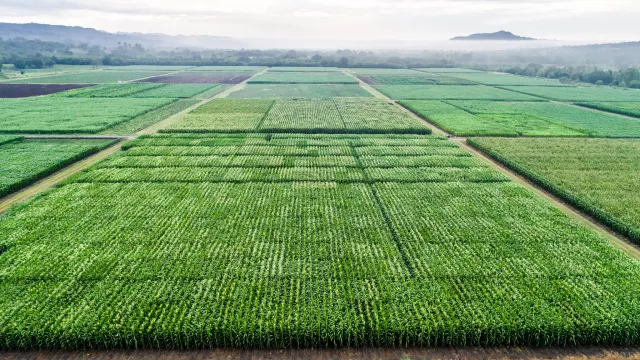
Maize production is surging due to its diversified end uses. While it is already the first staple cereal globally, it is expected to emerge as the world’s predominant crop for cultivation and trade in the coming decade. Globally, it serves primarily as animal feed, but


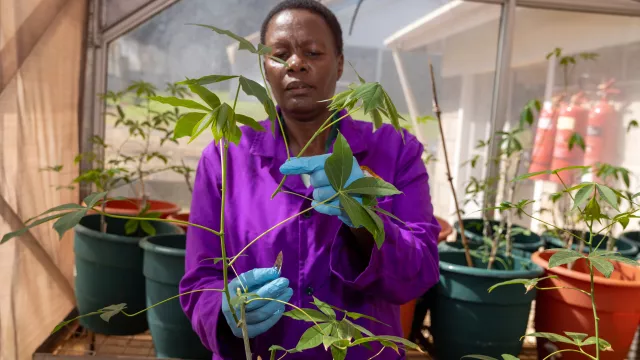
Crops to End Hunger (CtEH) is a global initiative modernizing CGIAR-national crop breeding programs by upgrading research stations, building staff capacity, and deploying tools to improve breeding efficiency.

A consultation workshop in Vietnam highlighted how digitalizing agricultural mechanization and deploying suitability maps can optimize machinery investment, connect farmers with service providers, and build a unified database to drive the Mekong Delta’s low-emission, modern, and sustainable rice production goals.

At the heart of the Alliance of Bioversity International and CIAT campus in Palmira, Colombia, a unique opportunity is emerging: transforming a critical challenge into a replicable model of sustainable agriculture for the world.

Communities and countries are banding together to protect local agrobiodiversity, delivering environmental, health, and economic benefits that have far-reaching consequences.