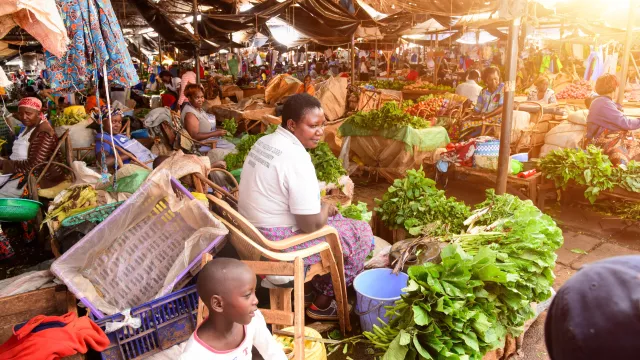
The hidden costs of gendered inequities: Findings from true cost accounting of cropping systems in Kenya
The cost of a tomato in Kenya cannot just be measured by the shillings reflected in the direct cost-based market price


The cost of a tomato in Kenya cannot just be measured by the shillings reflected in the direct cost-based market price
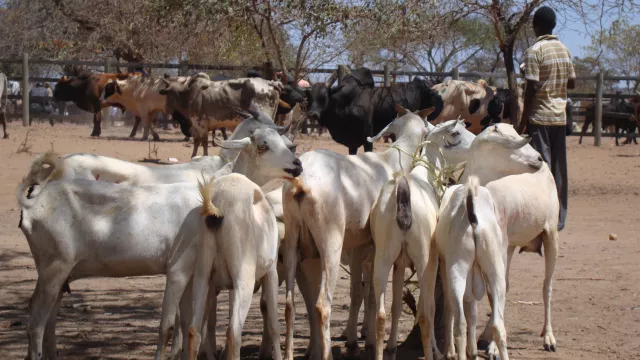
Sheep and goat value chains in Mali sustain millions of people, yet they continue to face pressures from climate variability, uneven animal health coverage, fragmented trade networks, and limited market access. To boost incomes, build resilience, and enhance product quality across the sector, CGIAR is supporting sustainable models that foster environmental protection and maximize productivity.

In Bambey, at the heart of Senegal’s groundnut basin, a phytopathology and crop improvement greenhouse, jointly managed by Institut Sénégalais de Recherches Agricoles (ISRA) and CIMMYT, is ready to accelerate the development of improved crop varieties for millions across West and Central Africa.

Ghana has more than 70 documented neglected and underutilized species (NUS), but their status is insecure, and several species have experienced a loss of varieties, including plantain and yam.

The 30th Conference of the Parties (COP30) in Brazil marked a pivotal moment for global climate policy, shifting the focus from negotiating ambition to establishing concrete implementation pathways. At the sidelines of this landmark gathering, Vietnam's experience in food systems transformation emerged as a compelling example of how countries can move from high-level commitments to operational change.

First in a series of blog posts reviewing IFPRI’s work and its impacts over a half-century.
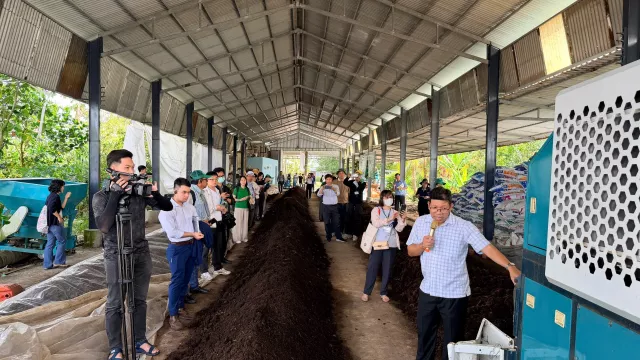
Knowledge exchange and business model scaling towards a sustainable transformation of rice straw from a waste product into a valuable asset were the key focus areas of the recent Learning Alliance Workshop in Vietnam.
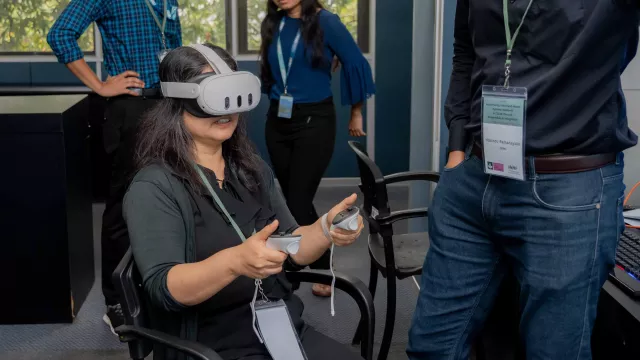
IWMI and CGIAR’s DTA hosted a consultation workshop in Colombo, Sri Lanka, bringing together the AI Champions from 11 CGIAR centers to take the next steps in integrating AI responsibly and effectively across food, land and water systems.