

The hidden costs of gendered inequities: Findings from true cost accounting of cropping systems in Kenya
The cost of a tomato in Kenya cannot just be measured by the shillings reflected in the direct cost-based market price
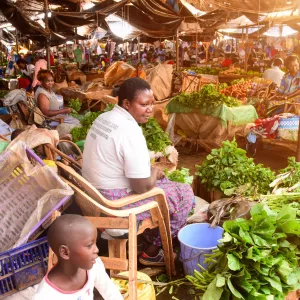
The cost of a tomato in Kenya cannot just be measured by the shillings reflected in the direct cost-based market price—it also reflects the costs associated with the land that gets eroded, the carbon emitted, the water and air that get polluted, the children that miss school, underpaid women’s labor, the harassment they endure in the fields, and the credit they are denied.
As a data point, in other words, a tomato’s market price does not account for all those hidden costs. In the quest to transform food systems, we often focus on what’s visible—i.e., measured by traditional methods: Crop yields, input costs, and market prices. But beneath the surface lies a complex web of social, economic, and ecological dynamics that shapes who benefits and who bears the burdens in food systems. These effects can be captured in true cost accounting (TCA), a framework that addresses the diverse costs and benefits of food production systems.
TCA offers a way to make the hidden costs visible. It systematically quantifies the full spectrum of costs associated with food production, extending beyond market transactions to environmental impacts (for example, soil erosion and greenhouse gas (GHG) emissions), social impacts (health and safety, wage gaps, child labor, gender discrimination, and harassment), and economic impacts (seeds and equipment used).