
- From
-
Published on
22.02.19
- Impact Area
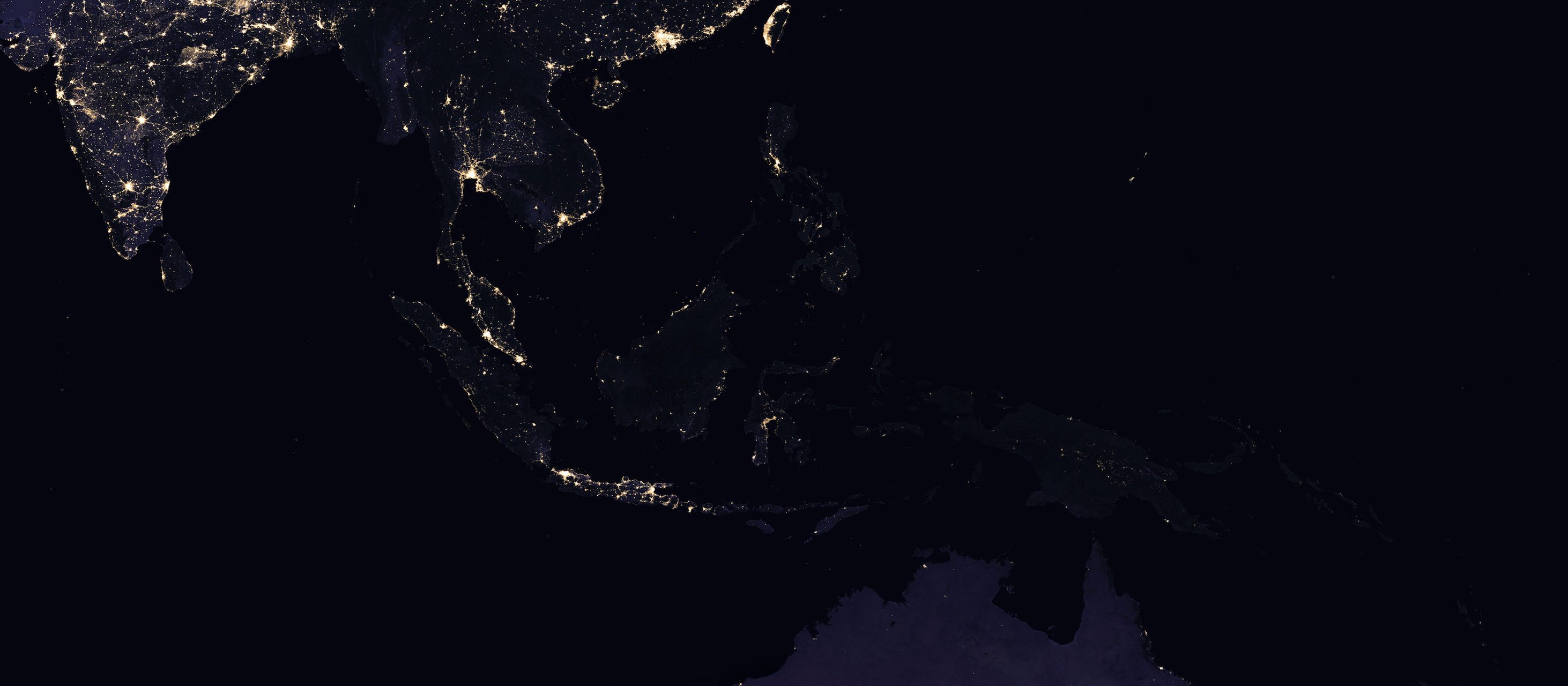
As a city dweller in Indonesia, I am blessed with an abundance of privilege. I have 24/7 access to the most updated information, thanks to an internet that is powered by a constant electricity supply. Yet, for a large number of the Indonesian population, this is not the case. Looking at a nighttime satellite photograph of the entire Indonesia archipelago, there are absolutely no lights switched on throughout almost all of Eastern Indonesia, as if it were unpopulated. But we know people are living there.
So, how can we expect those ‘have-nots’ to aid in the development of their communities, without something as basic as electricity? This issue extends to other matters of systematic inequality within Indonesia. The poverty- energy trap is where the poorest members of society are least likely to have access to power, and without any access to power, they are more likely to remain in poverty. In Indonesia, 63% of of those living below the poverty line are in rural areas, where electricity access is few and far between.
Related news
-

Harnessing digital tools in securing soil health for Africa’s food future
27.06.25-
Climate adaptation & mitigation
-
Environmental health
-
Nutrition, health & food security
-
Poverty reduction, livelihoods & jobs
Nairobi, 27 June 2025 (IITA) - As it marks its first anniversary, the Regional Hub…
Read more -
-
Harnessing digital tools in securing soil health for Africa’s food future
27.06.25-
Climate adaptation & mitigation
-
Environmental health
-
Food security
-
Poverty reduction, livelihoods & jobs
Nairobi, 27 June 2025 (IITA) - As it marks its first anniversary, the Regional Hub…
Read more -
-

Raising productivity and profits, How AgWise is Closing Yield Gaps through AI
20.06.25-
Adaptation
-
Climate adaptation & mitigation
-
Environmental health
-
Food security
-
Poverty reduction, livelihoods & jobs
Nairobi, 20 June 2025 (IITA) - Across Africa smallholder farmers battle working with degraded soils,…
Read more -