
- From
-
Published on
11.12.19
- Impact Area
Third in a series of blog posts examining the role of risk in agriculture under climate change, in connection with the UN Climate Change Conference (COP25) in Madrid Dec. 2-13. Read the first post here, the second here, and the fourth here.
Every week, new reports announce the increasingly dire state of the global climate emergency. UN experts recently warned that global temperatures could rise by almost 4°C by the end of the century. This foreboding outlook was announced on the heels of no less than 11,000 scientists trying, once again, to shock the world into action by warning of the “untold suffering” to come from mounting climate impacts.
Global leaders and experts are now finishing up the UN climate meetings (COP25) in Madrid, charting next steps for averting climate disaster. But after a quarter century of talks, we are troubled that so little has changed for those most affected by adverse climate change impacts – vulnerable smallholder farmers and communities. And we get the sense we are not alone in this concern.
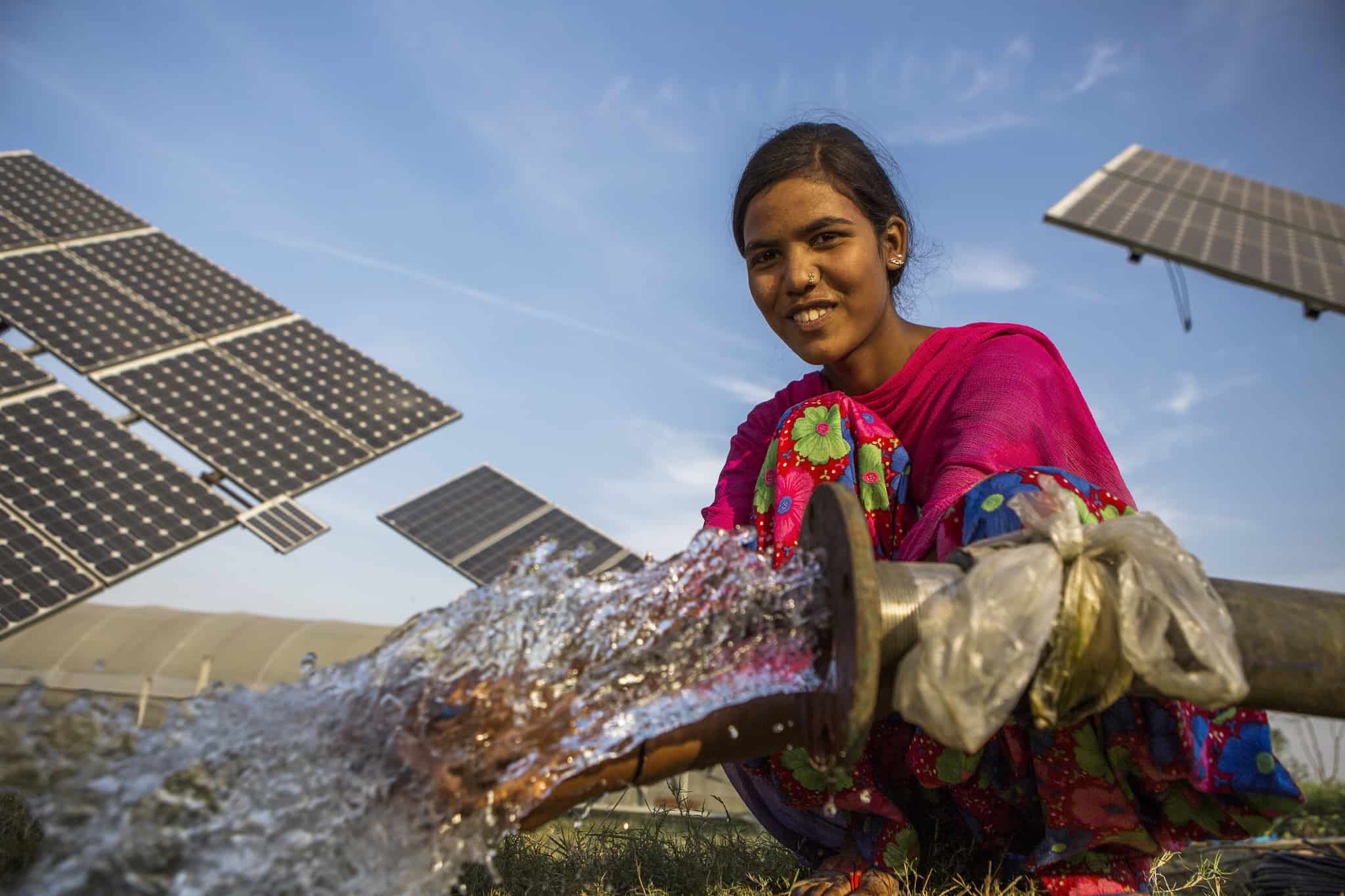
Photo credit: Prashanth Vishwanathan/IWMI
Related news
-

CGIAR Climate Security team pilots a new research approach for the development of Nature-based Solutions in fragile settings
27.11.25-
Climate adaptation & mitigation
Responding to complex crises requires new systemic research approaches that help identify entry poin…
Read more -
-

From Dirt to Decision-Making: Governance and Soil Health Must Go Hand in Hand
26.11.25-
Biodiversity
-
Environmental health
-
Environmental health & biodiversity
In October, the world convened in Des Moines for the 2025 Borlaug Dialogue under the…
Read more -
-

Drones prove their worth in measuring livestock methane in Africa
26.11.25-
Mitigation
In May 2024, the International Livestock Research Institute (ILRI) and partners shared news of the…
Read more -