
- From
-
Published on
06.05.18
- Impact Area
-
Funders
The World Bank
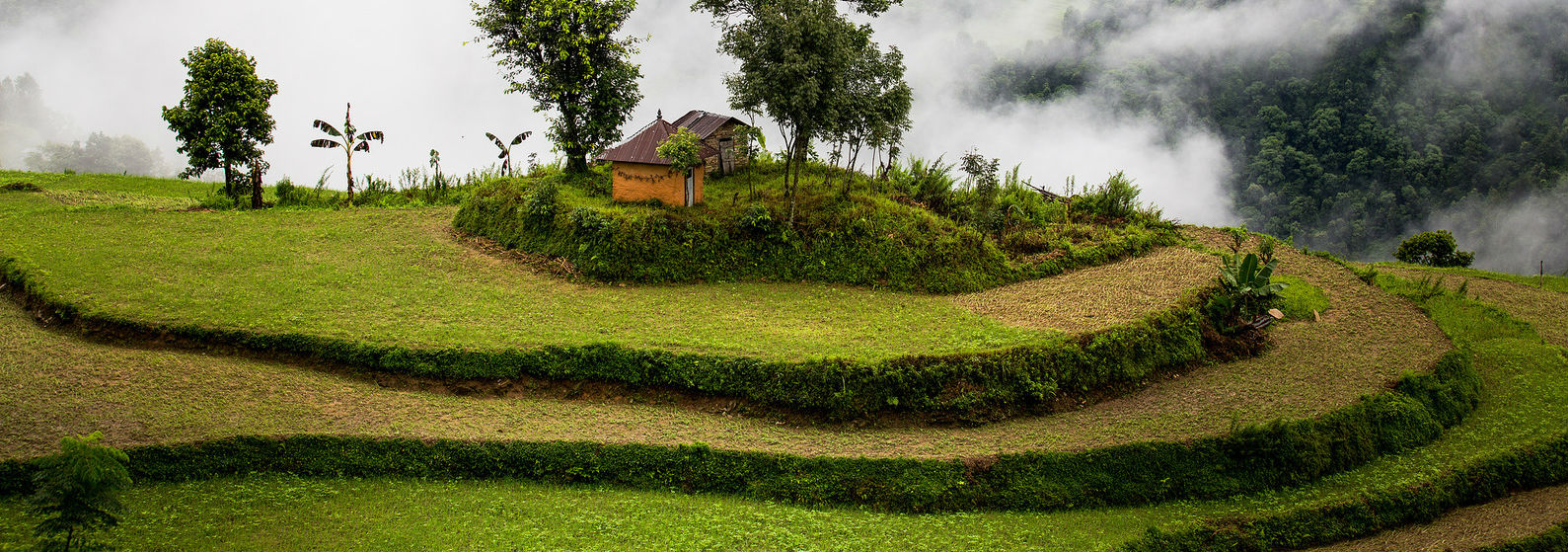
Restoring degraded land could inject $84 billion a year to the global economy, according to researchers, but public resources fall short of unlocking this potential.
Enter the Land Degradation Neutrality (LDN) Fund, which aims to help fill the funding gap by investing in projects on land rehabilitation and sustainable land management worldwide. The scope of its initial target is $300 million.
A first-of-its kind mechanism, the fund was initially presented at the 2016 Global Landscapes Forum (GLF) Investment Case Symposium in London as part of the “Dragons’ Den” competition, and it aims to leverage public resources to raise private money.
Through the initiative, public funders are expected to de-risk investments by private investors while simultaneously advancing climate and sustainable development goals.
The full post Responsible investment to combat land degradation emerges from Dragons’ Den appears on Landscape News.
Related news
-

From Dirt to Decision-Making: Governance and Soil Health Must Go Hand in Hand
26.11.25-
Biodiversity
-
Environmental health
-
Environmental health & biodiversity
In October, the world convened in Des Moines for the 2025 Borlaug Dialogue under the…
Read more -
-

ICRISAT’s Solar-Powered Water Hyacinth Harvester Recognized Among India’s Top 100 Innovations of 2025
18.11.25-
Environmental health
-
Poverty reduction, livelihoods & jobs
ICRISAT's Novel Solar-Powered Water Hyacinth Harvester has now earned a place in the prestigious To…
Read more -
-

CGIAR Multifunctional Landscapes at COP30: Advancing Adaptation and Nature-Based Solutions
10.11.25-
Adaptation
-
Biodiversity
-
Environmental health
-
Environmental health & biodiversity
-
Mitigation
COP30 in Belém, Brazil is being heralded as a pivotal “COP of adaptation” and a…
Read more -