
- From
-
Published on
08.06.20
- Impact Area
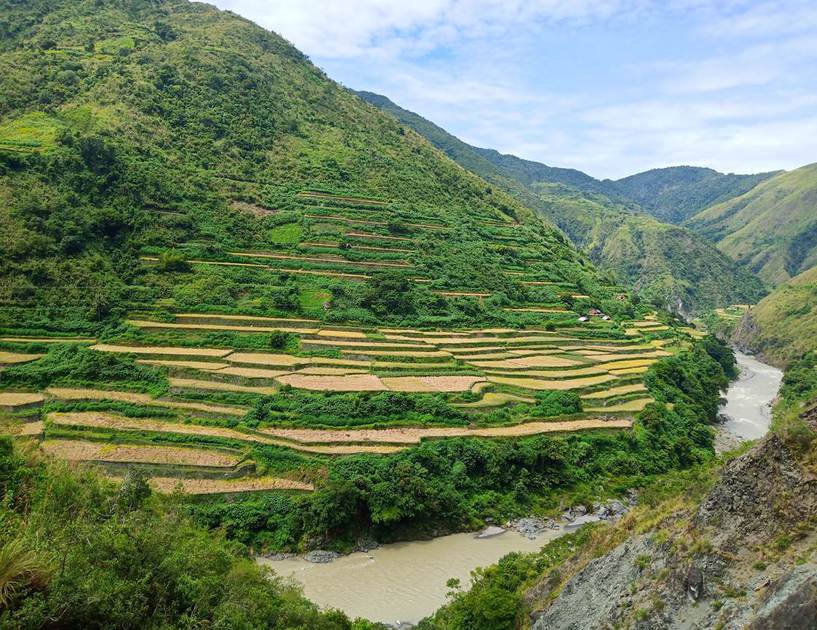
The province of Kalinga is surrounded by mountains and divided into three distinct geographical areas, with the Chico River as the centre: the mountainous western portion; the valley of the river and its tributaries; and the plains between the river and Cagayan Province. Most of the residents grow crops and livestock for domestic needs and income.
The Ykalingas were traditionally hunters and gatherers but, over time, they shifted to agriculture and, given the biophysical limitations in the area — steep slopes, rockiness and shallow soils prone to erosion — built terraces on which they grow crops such as rice, usually harvested twice to thrice a year, and coffee, harvested annually. They also grow cash seasonal crops, such as sweet potato, beans, ‘sayote’ (Sechium edule (Jacq) Sw), papaya and squash, as well as perennials, including banana, avocado, coconut and citrus. They also supply vegetables and fruit to various parts of the country.
However, the Ykalingas are now experiencing various negative impacts of climate change — scorching weather during extended dry seasons and cold spells during the wet seasons, and declining water supply — which has led to farmers leaving their land and a corresponding large decrease in farm outputs, resulting in food insecurity and worsening poverty.
Related news
-

CGIAR Climate Security team pilots a new research approach for the development of Nature-based Solutions in fragile settings
27.11.25-
Climate adaptation & mitigation
Responding to complex crises requires new systemic research approaches that help identify entry poin…
Read more -
-

Drones prove their worth in measuring livestock methane in Africa
26.11.25-
Mitigation
In May 2024, the International Livestock Research Institute (ILRI) and partners shared news of the…
Read more -
-

Pioneer adaptation farmers inspire adoption of climate-smart innovations in Bomet County, Kenya
24.11.25-
Adaptation
In Bomet County, Kenya, where agricultural traditions run deep, two families and their farms are…
Read more -