
- From
-
Published on
03.08.18
- Impact Area
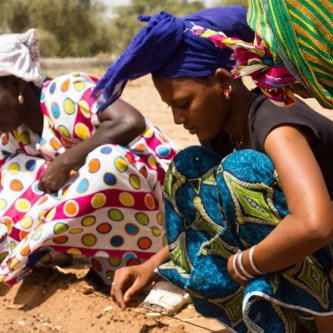
Much has changed since 2007, when the African Union launched the Great Green Wall for the Sahara and the Sahel Initiative (GGWSSI) as a bulwark against the encroaching desert.
The wall is no longer envisioned as a narrow band of trees along the southern edge of the Sahara, a nearly 8,000 km-long, 15 km-wide corridor from Senegal in the west to Djibouti in the east. The plan is now to surround the Sahara with a wide belt of vegetation, trees and bushes greening and protecting an agricultural landscape. The new vision engages all the countries surrounding it, including Algeria and others in North Africa, not just the 11 original sub-Saharan countries of the Sahel.
The 55-member African Union and the U.N. Food and Agriculture Organization (FAO) now refer to the project as “Africa’s flagship initiative to combat land degradation, desertification and drought.”

Learn more by reading Africa’s Great Green Wall: A work in progress, which appeared first on Landscape News.
Related news
-

From Dirt to Decision-Making: Governance and Soil Health Must Go Hand in Hand
26.11.25-
Biodiversity
-
Environmental health
-
Environmental health & biodiversity
In October, the world convened in Des Moines for the 2025 Borlaug Dialogue under the…
Read more -
-

ICRISAT’s Solar-Powered Water Hyacinth Harvester Recognized Among India’s Top 100 Innovations of 2025
18.11.25-
Environmental health
-
Poverty reduction, livelihoods & jobs
ICRISAT's Novel Solar-Powered Water Hyacinth Harvester has now earned a place in the prestigious To…
Read more -
-

CGIAR Multifunctional Landscapes at COP30: Advancing Adaptation and Nature-Based Solutions
10.11.25-
Adaptation
-
Biodiversity
-
Environmental health
-
Environmental health & biodiversity
-
Mitigation
COP30 in Belém, Brazil is being heralded as a pivotal “COP of adaptation” and a…
Read more -