
New CGIAR System Council Chair appointed
CGIAR is pleased to announce that Renaud Seligmann has been appointed as the new Chair of CGIAR System Council, effective 1 January 2026.


CGIAR is pleased to announce that Renaud Seligmann has been appointed as the new Chair of CGIAR System Council, effective 1 January 2026.
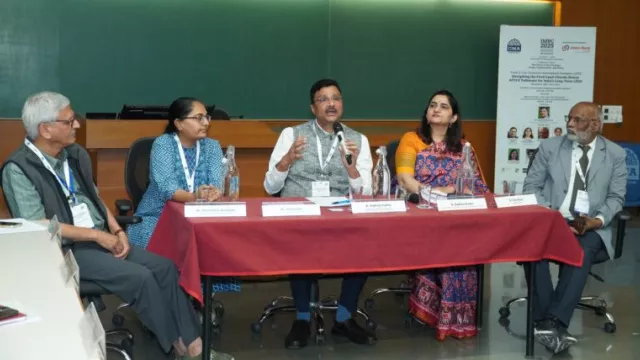
India stands at a critical juncture in its agricultural transformation. With over 60% of the population dependent on agrifood systems for their livelihoods and the Agriculture, Forestry, and Other Land Use (AFOLU) sector accounting for 14% of the country’s greenhouse gas (GHG) emissions, the challenge is no longer a choice between agricultural and economic growth and sustainability, but the need to find a pathway that ensures agricultural growth and livelihoods while increasing the sustainability of the country’s food production systems.
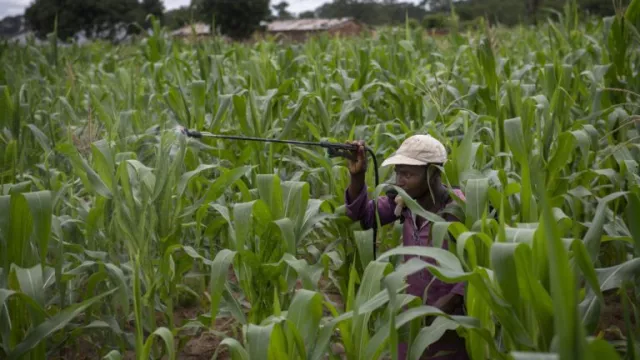
Many studies have demonstrated that low application of productivity-enhancing inputs such as inorganic fertilizer and improved seeds is a key constraint to low agricultural productivity in sub-Saharan Africa, including Nigeria.
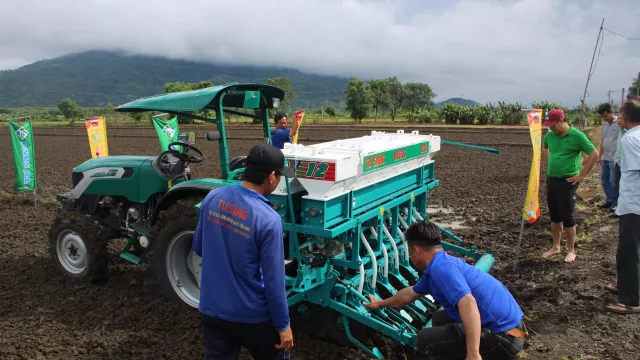
IRRI and local partners in Dong Nai, Vietnam, debuted an innovative all-in-one machine for mechanized dry direct seeding and deep fertilizer placement that significantly reduces labor, water, and greenhouse gas emissions while simultaneously boosting rice yields and profitability.
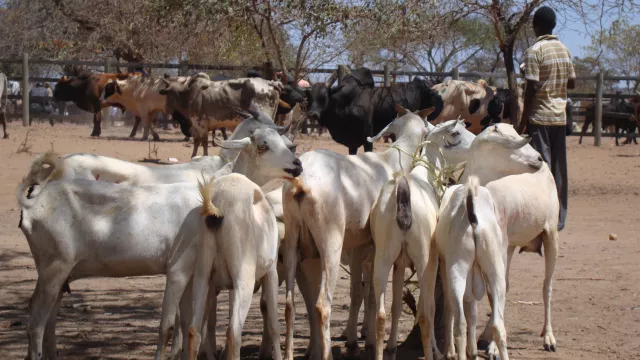
Sheep and goat value chains in Mali sustain millions of people, yet they continue to face pressures from climate variability, uneven animal health coverage, fragmented trade networks, and limited market access. To boost incomes, build resilience, and enhance product quality across the sector, CGIAR is supporting sustainable models that foster environmental protection and maximize productivity.
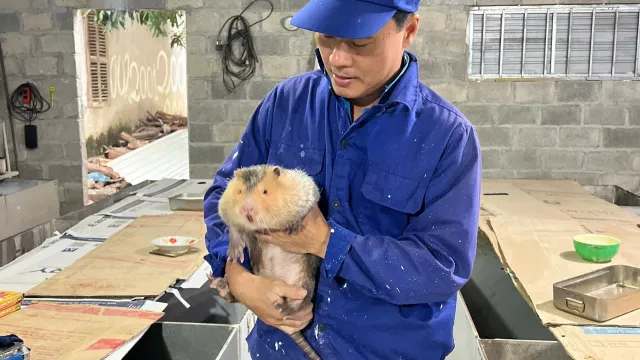
With nearly 40,000 captive wild animals raised across hundreds of small-scale facilities, Thai Nguyen Province in northern Vietnam is emerging as a critical frontline for preventing zoonotic disease outbreaks.

The Global Leardership Team message board

This post captures key insights from regional training sessions on climate, peace, and resilience conducted with civil society organizations in MENA. It focuses on how integrating social dimensions into climate work, combined with peer-to-peer learning, can strengthen advocacy, collaboration, and community-level resilience in complex contexts.