

News Overview
8103 search results
-
-
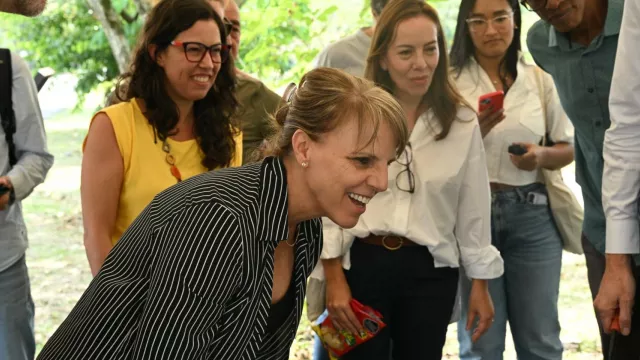
A week inside the Alliance’s integrated approach to transforming global food and land systems
Sandra Milach, CGIAR’s Chief Scientist, visit to the Alliance showcased how integrated food and land systems—linking agrobiodiversity, climate action, landscapes, and inclusive innovation—drive scalable impact and build resilient, healthier food futures.
-

First National Survey Shows Timor-Leste Eating More Fish Than Ever Before
Timor-Leste is eating more fish than ever before. The country’s first national survey on fish consumption shows people now eat an average of 8.7 kilograms per person per year, up from an estimated 6.1 kilograms* in 2011.
-

Community rotating savings group helping smallholder farmers solve access to credit
Access to credit from formal banks is limited for smallholder farmers due to high interest rates, difficulty in gathering the required documents, and other factors across Africa.
-
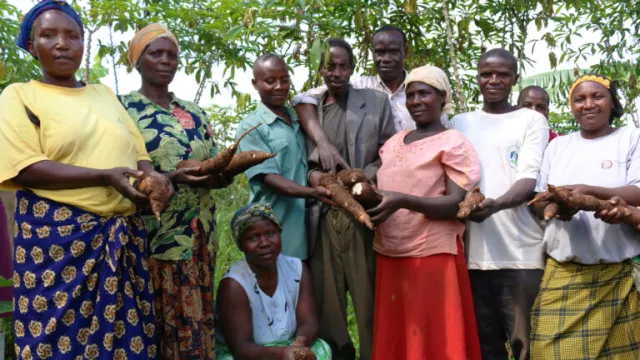
Including women in commercial agriculture benefits the whole household: Evidence from Uganda
Formally including Ugandan women in commercial agriculture—through contract ownership or behavior-change interventions—can increase women’s empowerment without reducing productivity, and with positive spillovers for household welfare and gender relations.
-
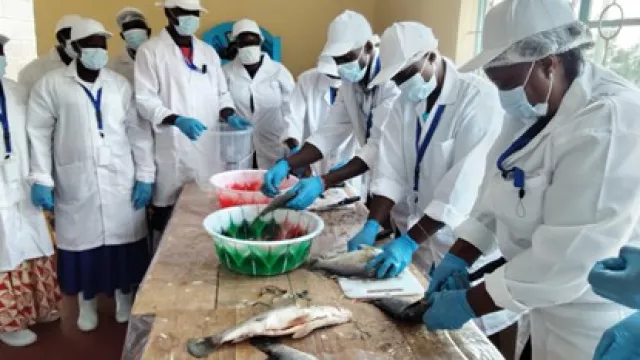
Strengthening Women-Led Fish Value Addition Enterprises in Western Kenya
From 16–18 December 2025, ACTS and WorldFish hosted a hands-on fish value addition training at Kakione Beach (Sindo), Homa Bay County, bringing together 32 value-chain actors—mostly women (22 women, 10 men) from Homa Bay and Migori within the Lake Victoria fisheries system. The training tackled persistent barriers facing women-led enterprises, including post-harvest losses, limited access to improved processing technologies, and weak food safety compliance, while also addressing gender inequalities in ownership and decision-making.
-
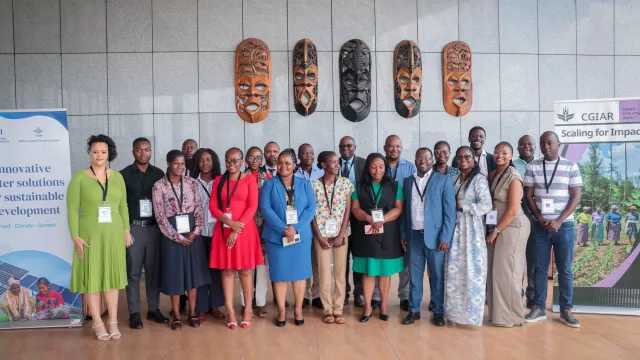
From Commitment to Capability: Insights from the first national NDC Capacity Scorecard Pilot Workshop
A two-day pilot workshop (5–6 November 2025) in Lilongwe brought together government, technical experts, civil society, and partners to test the NDC Capacity Scorecard and ask a hard question: is Malawi institutionally ready to deliver NDC 3.0? Led by the Ministry of Natural Resources/EAD with support from UNFCCC RCC ESA, IWMI, and AGNES, the process shifted from “scoring” to an honest diagnosis of readiness across finance, technical systems, governance, and M&E. Participants surfaced real bottlenecks—especially local financing gaps, weak coordination, and data hoarding—and then co-designed improvements to make the tool practical for government use. The pilot helped reposition validation as a strategic moment for alignment and stronger implementation, showing that Malawi’s challenge is no longer ambition, but capability to execute.
-

Boeng Sneh Lake: Water, Life, and Our Shared Future
Boeng Sneh Lake (3,924 ha) in Cambodia’s Prey Veng Province is a vital freshwater system that stores up to 80 million m³ of water—buffering floods, supporting 22,899 ha of rice fields, and sustaining 10,911 households across 44 villages with water, fish, and livelihood stability. Home to 50+ waterbird species and important fisheries, it’s protected through community fisheries refuges and a designated Multiple Use Area, yet faces growing strain from intensified irrigation, drought, agro-chemicals, overfishing, and land encroachment. In 2024, partners established a District Technical Working Group to coordinate action and safeguard the lake for people, food, and nature.