
CGIAR marks the International Day of Women and Girls in Science
CGIAR celebrates the voices and achievements of women whose work, leadership, and lived experience will inspire the next generation of scientists.


CGIAR celebrates the voices and achievements of women whose work, leadership, and lived experience will inspire the next generation of scientists.

Over the last five years, the Alliance of Bioversity International and CIAT has made significant strides in transforming the food systems landscape in Vietnam. Through the Food Environment and Consumer Behavior (FECB) research team, the Alliance and national partners continued to accelerate their efforts to transcend changes across the Southeast Asian region.

In Zanzibar, small-scale fishers are entering the digital era. Previously reliant on delayed reports from handwritten logs, they now benefit from near real-time information processed and displayed on decision dashboards. These tools are reshaping how marine resources are monitored, managed, and conserved.
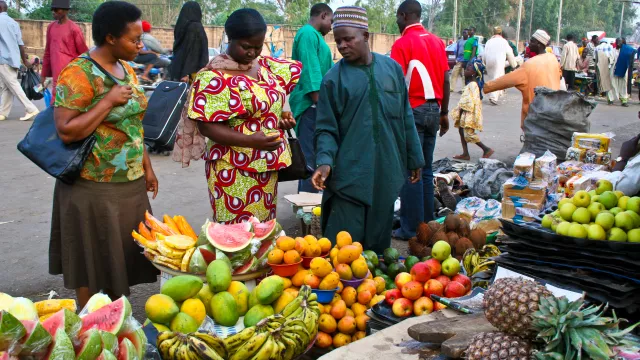
A recent study published in Social Science & Medicine provides new evidence on how price-based interventions can influence consumption of healthy foods in low- and middle-income countries.
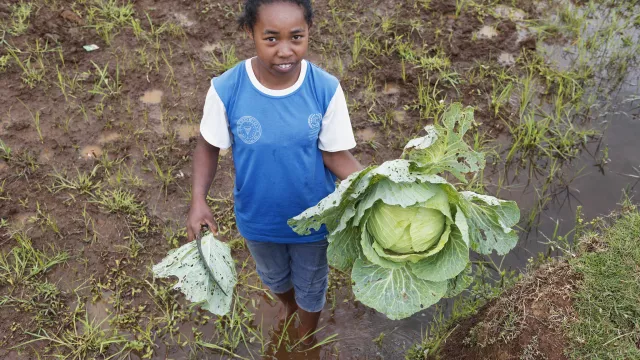
Young people’s aspirations for gaining a greater income than their parents, and the barriers facing them in agriculture for achieving this, are not new. However, speakers at a recent conference indicated that it is not that one-dimensional. Youth also value their connection to place, well-being and food security.
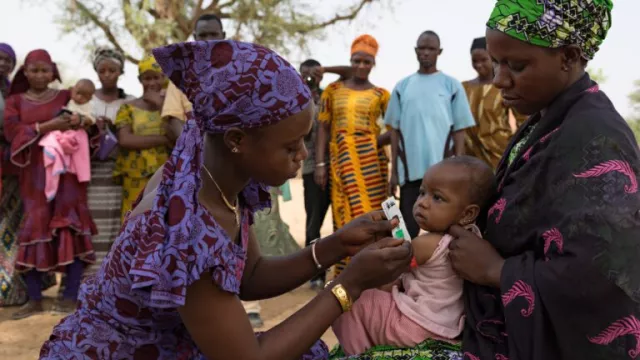
Community health workers (CHWs) increasingly play a central role in delivering essential primary health services in low-income settings.
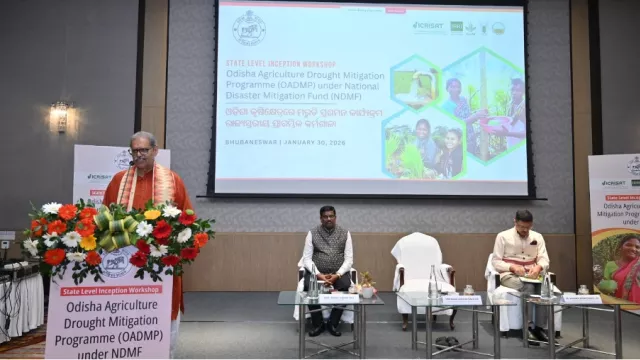
The International Crops Research Institute for the Semi-Arid Tropics (ICRISAT), in partnership with the Government of Odisha, ICAR–Central Research Institute for Dryland Agriculture (ICAR-CRIDA), and the International Rice Research Institute (IRRI), jointly organised the State-level Inception Workshop of the Odisha Agriculture Drought Mitigation Programme (OADMP) in Bhubaneswar on 30 January 2026.

On February 2, 2026, the United States and India finalized a trade deal in which the U.S. will reduce its tariffs from 50% to 18% on merchandise imports from India.