
50th Anniversary Impact Assessment Report: Highlights of how IFPRI research has shaped global food policy
First in a series of blog posts reviewing IFPRI’s work and its impacts over a half-century.


First in a series of blog posts reviewing IFPRI’s work and its impacts over a half-century.
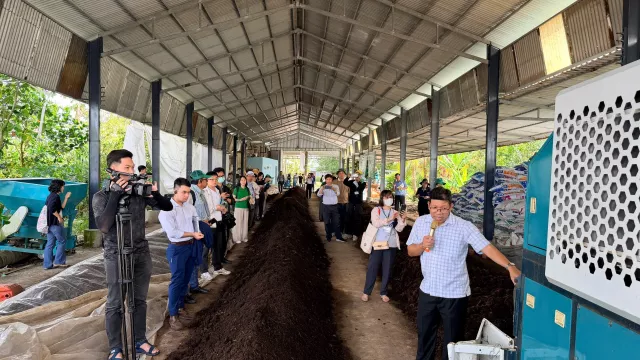
Knowledge exchange and business model scaling towards a sustainable transformation of rice straw from a waste product into a valuable asset were the key focus areas of the recent Learning Alliance Workshop in Vietnam.
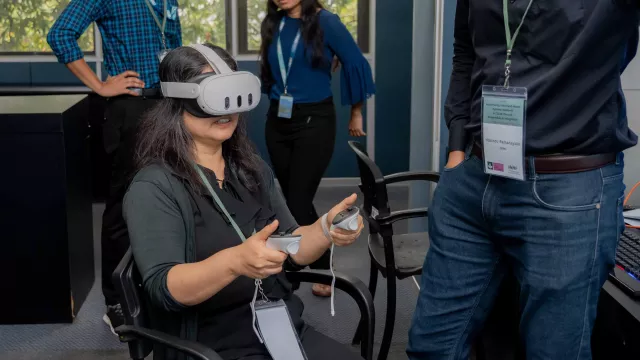
IWMI and CGIAR’s DTA hosted a consultation workshop in Colombo, Sri Lanka, bringing together the AI Champions from 11 CGIAR centers to take the next steps in integrating AI responsibly and effectively across food, land and water systems.
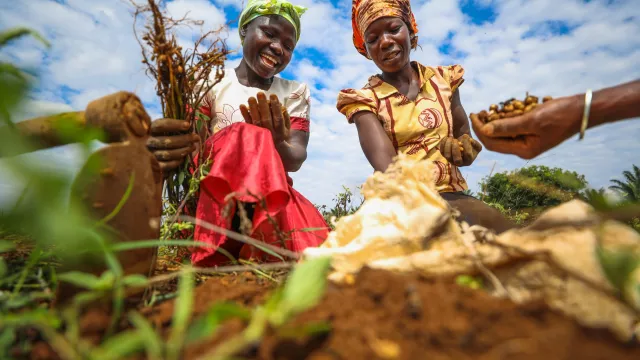
On this UN World Soil Day, we are reminded by Dr Himanshu Pathak, Director General of ICRISAT, that healthy soils are not only the foundation of life in rural drylands, but are equally essential to the health and resilience of our cities.

Experts from Kenya, Ethiopia, Uganda, and Tanzania joined the workshop, organized by ILRI, on geospatial assessment of livestock vulnerability in Eastern Africa, aiming to design a framework to map, anticipate, and respond to escalating climate risks.

At the workshop organized by IRRI, experts discussed how to transform 100 million tons of rice straw produced annually from an environmental burden into a “gold mine” for the green economy in the Mekong-Sub region.

Farmers in Kenya are facing growing impacts of climate change, including prolonged droughts, erratic rainfall, and sudden floods.
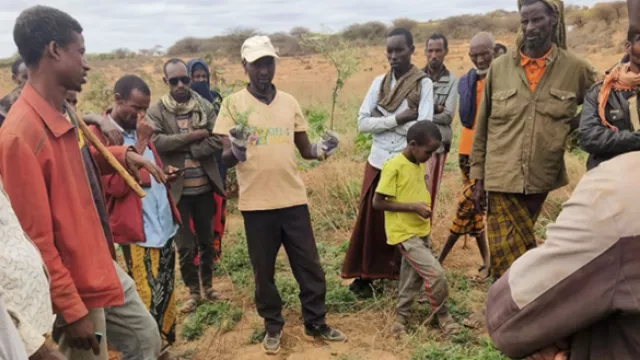
At the 33rd ESAP Annual Conference, ILRI presented a system of community rangeland health workers (CRHWs), offering practical and meaningful solutions for on-the-ground strengthening of pastoralist’s resilience to drought and other crises.