

When crises disappear from view: The growing humanitarian data drought
Humanitarian data systems are shrinking. Funding cuts and declining survey coverage are creating major gaps in food security data just as conflicts, climate shocks, and other risks are increasing.
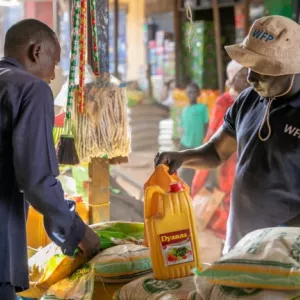
- food security
- food crises
By Jean-Martin Bauer and Steven Were OmamoOctober 21, 2026
Key takeaways
- Humanitarian data systems are shrinking. Funding cuts and declining survey coverage are creating major gaps in food security data just as conflicts, climate shocks, and other risks are increasing.
- Data gaps make crises harder to detect and address. Reduced coverage in countries such as Somalia and Nigeria leaves vulnerable populations less visible, weakens early warning systems, and makes anticipatory action more difficult and costly.
- Technology cannot replace ground-level data. AI, modeling, and remote sensing can help fill gaps, but reliable humanitarian decision-making still depends on regular household, market, and livelihood data collected on the ground.
During a time of growing, compounding risks to the global food system—including ongoing conflicts, the most severe El Niño in decades, and disruptions to global trade—in too many places, humanitarian data are disappearing. Government budget cuts, shrinking development assistance, and competing priorities are eroding key streams of data on food security and a range of related issues.
This humanitarian data drought is an emerging challenge that threatens to worsen existing crises and possibly create new ones. It demands action to safeguard critical humanitarian data streams. Without fresh data, people in crisis become harder to see, harder to reach, and all too easy to overlook.