
Towards Sustainable Aquaculture: Finding and Supporting Malaysia’s Aquapreneurs
Aquaculture is at the forefront of global calls to transform food systems to make them healthier, more sustainable and fairer.


Aquaculture is at the forefront of global calls to transform food systems to make them healthier, more sustainable and fairer.

Timor-Leste is eating more fish than ever before. The country’s first national survey on fish consumption shows people now eat an average of 8.7 kilograms per person per year, up from an estimated 6.1 kilograms* in 2011.

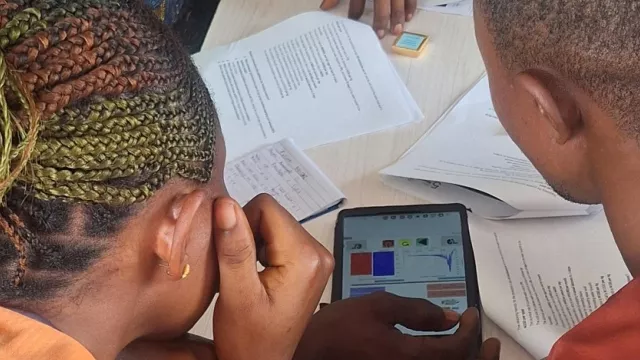
In Zanzibar, small-scale fishers are entering the digital era. Previously reliant on delayed reports from handwritten logs, they now benefit from near real-time information processed and displayed on decision dashboards. These tools are reshaping how marine resources are monitored, managed, and conserved.

Anchovy, locally known as dagaa, sits at the heart of Zanzibar’s fisheries, diets and livelihoods. These small fish are rich in essential micronutrients and widely consumed across the archipelago, making them a vital source of affordable nutrition, particularly for low-income households.
Integrated Multi-Trophic Aquaculture (IMTA) is increasingly recognised as an approach that can strengthen the sustainability of aquaculture systems. By combining species from different trophic levels, such as fish, shellfish and seaweed, IMTA makes better use of resources, reduces waste and supports more resilient production systems.

A new methodology helps agrifood companies meet their gender equality and inclusion commitments by better understanding diverse actors and experiences in their supply chains.

A recent review synthesizes this growing body of evidence, assessing not only the environmental and economic benefits of silvopastoral systems (SPS) in Colombia, but also the financial, policy, and market conditions needed to scale them. Drawing on more than 180 studies, the article positions SPS as a viable pathway toward a more sustainable, inclusive, and climate-resilient cattle sector in the tropics. So why haven’t these systems gone to scale? And what can Colombia’s experience teach the rest of the tropics about building sustainable cattle systems that work for farmers, investors, and the climate?

In the fields of Kenya, smallholder farmers are reviving ancient, eco-intelligent pest control methods, blending traditional knowledge with nature to build safer, resilient food systems.