Crops to End Hunger
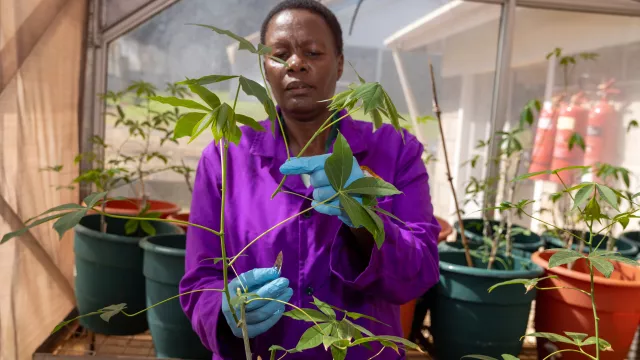
Crops to End Hunger (CtEH) is a global initiative modernizing CGIAR-national crop breeding programs by upgrading research stations, building staff capacity, and deploying tools to improve breeding efficiency.


Crops to End Hunger (CtEH) is a global initiative modernizing CGIAR-national crop breeding programs by upgrading research stations, building staff capacity, and deploying tools to improve breeding efficiency.

In Uasin Gishu County, Kenya, smallholder farmers, cooperatives, and agriGHALA are transforming grain trade through structured systems, improving storage, finance, and market access to reduce losses and increase incomes.

Tanzania’s ACCELERATE Initiative is transforming the seed sector by linking research, markets, and farmers through public–private partnerships, boosting improved seed adoption, strengthening systems, and driving demand-led agricultural growth.

In Colombia, cidra papa, also known as guatila or chayote, is neither a new nor an unfamiliar crop. It has always been there: in farms, home gardens, and traditional kitchens. It is one of those foods that are part of everyday life in many territories, consumed without much explanation simply because it has always been there; and yet, this familiarity has not necessarily translated into recognition.

Since its introduction to Kenya in 1893, coffee has remained one of the country’s most significant agricultural exports. Today, it is grown across 33 counties, largely by smallholder farmers who account for about 70 percent of production, supporting an estimated 1.5 million households directly and indirectly.

With deep respect and sadness, we acknowledge the passing of Dr. Joachim Voss, who served as Director General of the International Center for Tropical Agriculture (CIAT) from 2000 to 2007.

Climate change is reshaping global agriculture, impacting the productivity of key crops.