
Transforming Bangladesh’s aquatic food systems
A virtual event was held to support Bangladesh’s aquatic foods systems and balance conservation with livelihood interests. Read more


A virtual event was held to support Bangladesh’s aquatic foods systems and balance conservation with livelihood interests. Read more

Registration for the Cultivating Equality 2021 conference is now open. Join our list of conference delegates today! Are you interested in accessing research that helps understand and advance positive synergies among sustainable and resilient agricultural, rural and food systems, and equality in societies globally? How about being at the center of conversations that put gender equality at the heart of food

New fish feed formulations work to nourish both fish and their pond ecosystems using locally available and accessible ingredients. Read more

During May 2021, the importance of root, tuber and banana crops was highlighted by Agrilinks, an online hub where agriculture, food security and development professionals connect, share and learn. Agrilinks is part of the U.S. Government’s Feed the Future initiative, developed by USAID, that addresses the root causes of hunger, poverty and undernutrition, and establishes a lasting foundation for change.

Dr. Martin Chiona is plant breeder and head of the root and tuber research team at the Zambia Agricultural Research Institute (ZARI). This organization is collaborating with the International Potato Center (CIP) and partners under a three-year project: Sweetpotato Genetic Advances and Innovative Seed Systems (SweetGAINS) to improve nutrition, resilience and incomes through enhanced sweetpotato cultivation. Vivian Atakos, CIP’s Regional Communication Specialist for Africa, spoke with Chiona, to understand his role… The post Breeding nutritious sweetpotatoes
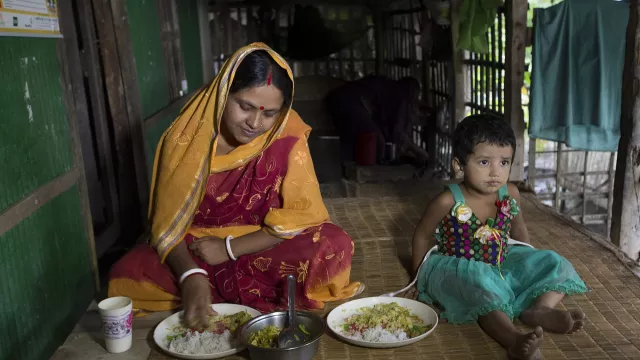
Shakuntala Thilsted advises the CGIAR Council to move research efforts beyond the quantity of food produced to focus on the quality of food consumed and shift the agenda from feeding to nourishing. Read more
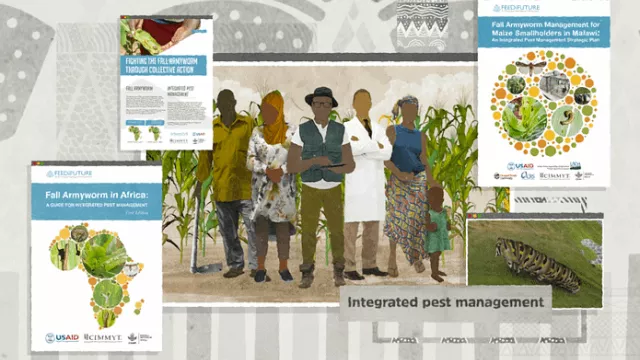
The fall armyworm is an invasive pest that eats more than 80 different crops, but has a particular preference for maize. It is native to the Americas. It was first reported in Africa in 2016, and quickly spread throughout the continent. It reached India in 2018. It has since been reported in many other countries across Asia and the

World Zoonoses Day, celebrated annually on 6 July, commemorates the day in 1885 when Louis Pasteur successfully administered the first vaccine against a zoonotic disease. It is also a day to raise public awareness of the risk of zoonotic diseases and how to effectively prevent and control them. The International Livestock Research Institute (ILRI) has a wealth of research expertise