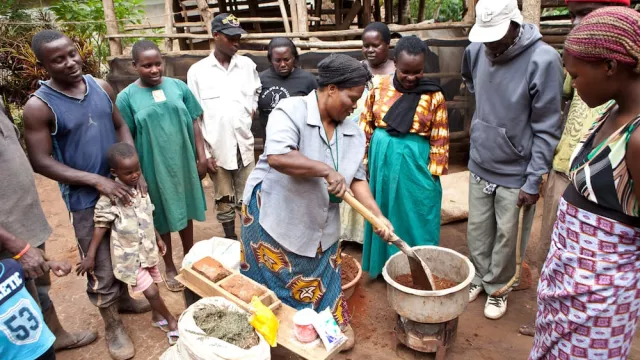
Volunteer Farmer Trainers as agents of change
CGIAR CONTRIBUTORS CCAFS, CIFOR-ICRAF, FTA, ILRI, PIM TYPE OF INNOVATION Biophysical science Genetic (varieties and breeds) Production systems and management practices Research and communica


CGIAR CONTRIBUTORS CCAFS, CIFOR-ICRAF, FTA, ILRI, PIM TYPE OF INNOVATION Biophysical science Genetic (varieties and breeds) Production systems and management practices Research and communica

Germplasm banks around the world are protectors of genetic diversity, altogether preserving roughly 700,000 samples of wheat varieties from fields far and wide. Thomas (Tom) Payne, the head of CIMMYTs Wheat Germplasm Collection, or genebank, manages the Mexico-based collection of nearly 150,000 accessions from over 100 countries. He has been affiliated with CIMMYT since 1988, and has dedicated his career

The global pandemic and extreme weather events have intensified the problems faced by small producers and other actors in the coffee supply chain. Increasingly, the coffee sector has found it necessary to act with urgency and to seek new options to be resilient to climate change.Projections of climate impact on coffee production in Central America for 2030 and 2050, indicate

Climate change-induced droughts in Zimbabwe over the last two decades has hit resource-poor farmers the most. Many watched their valuable livestock die during the dry season due to fodder shortages and their inability to buy expensive commercial feed. The impact of drought on livelihoods is undeniable, but the problem was exacerbated by massive knowledge gaps. A ‘needs assessment’ project survey

Since they are a vital part of the reproduction process of many plants, a decline in pollinators is a serious issue for biodiversity and resilience ecosystems. Wild pollinators fertilize most flowering plants, enhance seed and fruit production and increase genetic diversity, which improves regeneration and strengthens the ability of plants to adapt to environmental changes and pathogens. This year, we
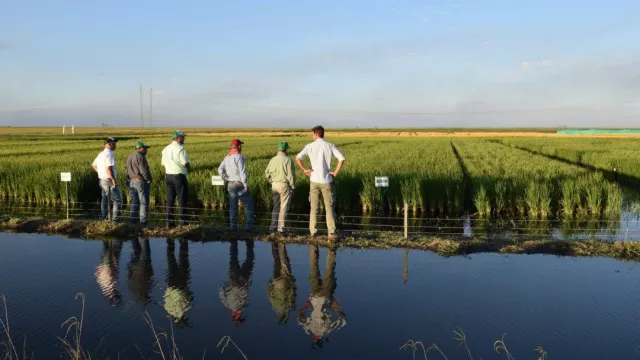
With over 2.3 million confirmed cases to date, and more than a third of the world population under some form of mobility restriction or lockdown, the pandemic caused by COVID-19 has abruptly affected the performance of the world food market, with rice as one of the most notable examples. While the price of some staple foods has decreased due to

Beekeeping has long been a traditional pursuit in Uzbekistan and Ethiopia, where smallholders produce honey for sale and use in food and traditional drinks. As well as providing an ideal, low-capital, accessible, and business opportunity in urban and rural areas, bees also play a vital role in protecting farmstead biodiversity by pollinating crops and plants. Beyond its vital

From wet markets to empty markets, the functionality of food systems has shaped the COVID-19 pandemic and its impact, making it desperately clear that the status quo is unsustainable. Unsurprisingly, the inequities of the food system have been most acutely felt among the world’s poor and marginalized people. The effects of this pandemic are felt widely but unevenly, yet around