
Promoting peace and climate resilience in post-conflict communities
CGIAR INITIATIVES Climate Resilience Primary Impact Area Climate adaptation & mitigation Related Impact Areas


CGIAR INITIATIVES Climate Resilience Primary Impact Area Climate adaptation & mitigation Related Impact Areas

by Nyang’ori Ohenjo and Amina Yusuf Maalim, Centre for Minority Rights Development (CEMIRIDE) Kibet Kipsang is a youth activist and beekeeper. He comes from an indigenous community of forest-dwellers from Kenya known as the Ogiek. Under the pretext of environmental destruction, his community was forcefully evicted from their ancestral lands in Eldama Ravine by the Kenyan authorities. They lost their
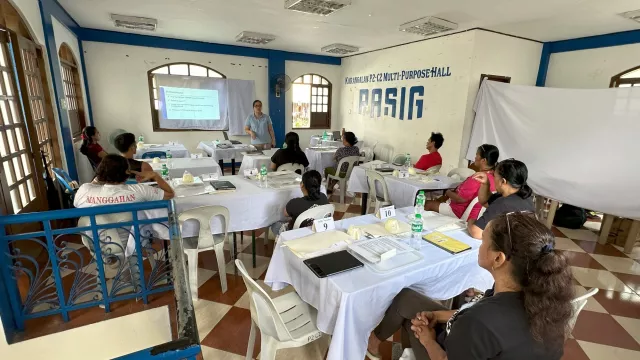
Marie Claire Custodio, Jhoanne Ynion, Nese Sreenivasulu, Matty Demont, Hans De Steur A market experiment session in Metro Manila, Philippines. (Photo courtesy of IRRI) The global shift in food consumption patterns has contributed to the rise of non-communicable diseases (NCDs), disproportionately affecting low- and middle-income countries, including those in Asia, where most of the population relies on white rice for
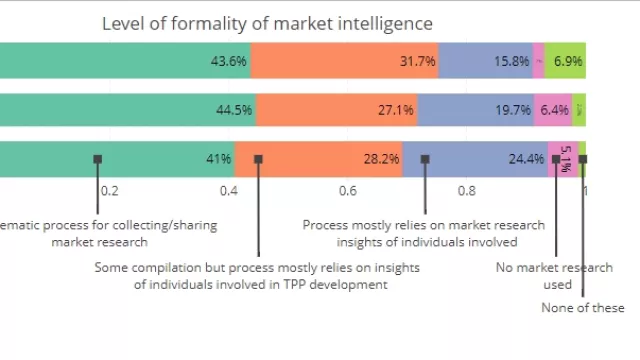
Berber Kramer, Brendan Rice, Carly Trachtman The integration of market intelligence into plant breeding is essential for aligning genetic innovations with real-world demand. However, a new study highlights persistent barriers that hinder its effective use. Researchers surveyed more than 500 breeding professionals across CGIAR, national agricultural research and extension systems (NARES), and small private-sector breeding enterprises to assess the adoption
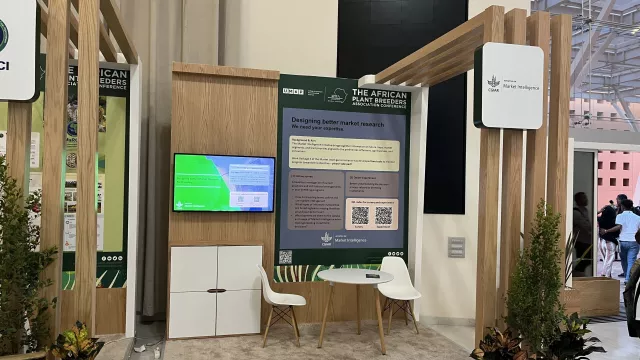
Berber Kramer, Carly Trachtman, Jérémy Do Nascimento Miguel Investment decisions in agricultural research and development (R&D), particularly in plant breeding, often face significant ambiguity. Without clear market intelligence, funds may be spread across many breeding pipelines rather than concentrated in those with the greatest potential impact. A new study from the International Food Policy Research Institute (IFPRI) explored how plant
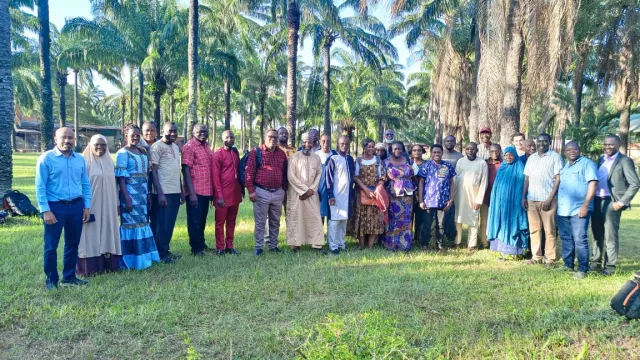
Participants in the workshop for cowpea product design teams in Western Africa on September 29, 2024, in the IITA offices in Cotonou, Benin Republic. (Photo) Sika Gbegbelegbe, Dean Muungani Investments in crop breeding are usually expensive and take 7 to 10 years to yield results. However, market preferences tend to change over time due to various drivers including income changes,
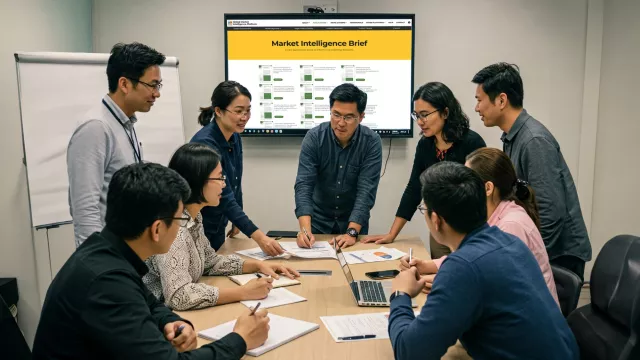
Ruvicyn Bayot, Melanie Connor, Agnes Mbugua-Gitonga, Dehner De Leon, Neale Marvin Paguirigan, Arelene Julia Malabayabas Slow varietal turnover has been a challenge since breeding-investment decisions were largely informed by supply-side considerations rather than client needs. Hence, market intelligence is crucial for CGIAR breeding programs because it ensures that breeding efforts are demand-driven. CGIAR has demonstrated that investment in crop breeding
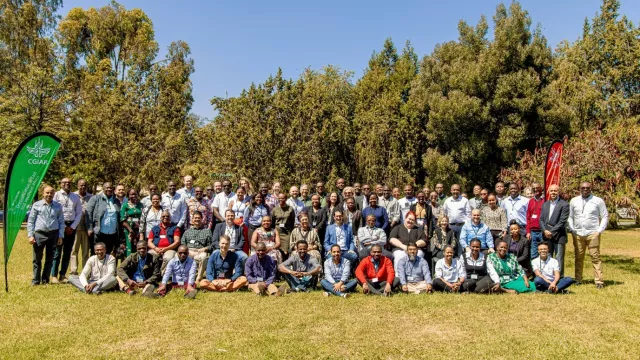
“If you want to go fast, go alone. If you want to go far, go together.” – African proverb In 2021, the CGIAR set out to diversify maize-based systems in East and Southern Africa through the Ukama Ustawi Regional Integrative Initiative (RII). “Ukama Ustawi” combines “Ukama” (Shona for “partnerships”) and “Ustawi” (Swahili for “well-being and development”), representing a vision to