
Scientific breakthrough shows promise for disease-resistant tilapia
Researchers identified a region of the Nile tilapia genome associated with viral resilience, which can be used to support the breeding of disease-resistant fish. Read more


Researchers identified a region of the Nile tilapia genome associated with viral resilience, which can be used to support the breeding of disease-resistant fish. Read more

Looking ahead to the next 50 years, potato researchers and farmers have significant concerns about producing enough food under the stressors of climate change. However, a potential solution exists within the potato “family.” Crop wild relatives of potatoes are genetically-related to potatoes that we grow and consume and they contain valuable traits that can be built into consumer varieties to help ensure reliable yields and high-quality potatoes for shoring up food and nutrition… The post Food system sustainability
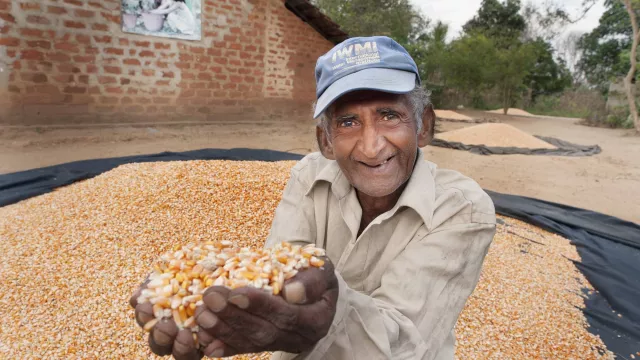
Experts in remote sensing shared the latest innovations in digital data with insurance professionals at a virtual training workshop held recently. This new knowledge will enable insurers to build better products that help more farmers in Sri Lanka cope with climate risk. Most Sri Lankan farmers are smallholders and have faced incessant onslaughts of floods and droughts, which have destroyed
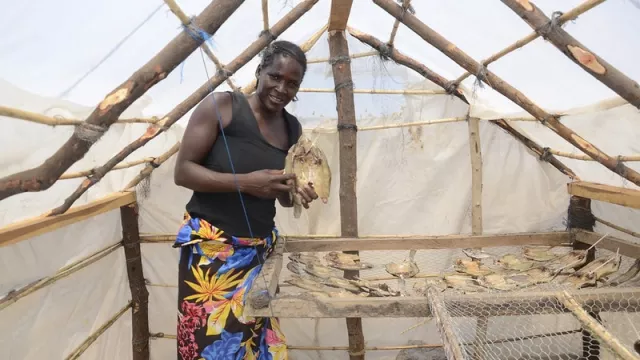
A review of the actions needed to enhance the contributions of fish and aquatic foods to Zambia’s sustainable development ahead of the UN Food Systems Summit. Read more
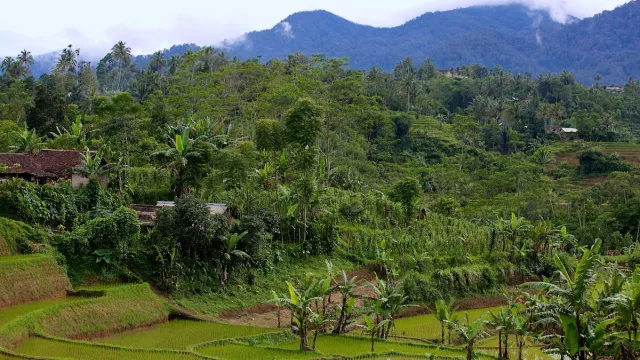
Biodiversity is a vital factor in agricultural landscapes, with an importance that cuts across the environment, the climate, human livelihoods and nutrition. Yet governments and institutions still struggle to recognize this importance in concrete ways, with concrete strategies. In 2020, the European Union (EU) took a historic step with two of its Green Deal strategies. The EU Farm to Fork
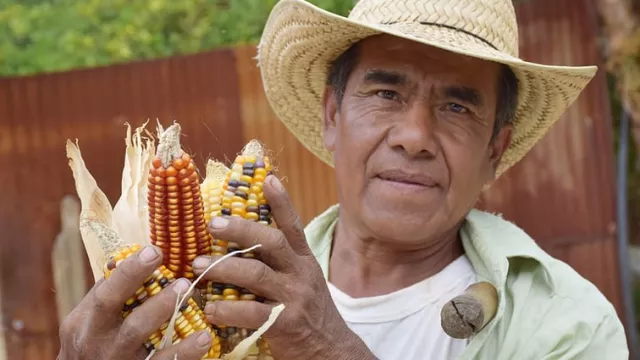
The International Maize and Wheat Improvement Center (CIMMYT) is contributing to make Mexico’s agriculture more productive, sustainable and resilient, according to a new report by The Economist Intelligence Unit and Barilla Foundation. The study focuses on food loss and waste, sustainable agriculture, and nutritional challenges to assess how sustainable and resilient are the food systems of the 20 largest and
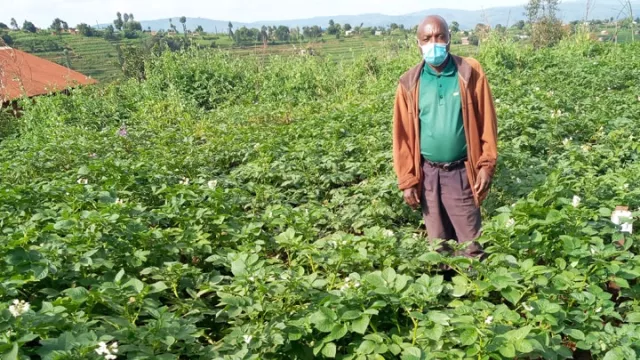
The triadic comparisons of technologies – or tricot – approach is being used in a citizen-science project funded by the CGIAR Research Program on Roots, Tubers and Bananas (RTB) to identify and scale up best cassava and potato varieties in Rwanda. The project is being implemented by the International Potato Center (CIP), the International Institute of Tropical Agriculture, the Alliance of CIAT and Bioversity International, the Rwanda Agriculture and Animal Resources Development Board (RAB) and One Acre Fund. With the tricot approach, farmers are given packages of… The post Rwandan farmers help

In June 2021, food safety experts from Cambodia and a research project team led by the International Livestock Research Institute held a workshop to discuss ways to disseminate findings and scale up interventions of the four-year Safe Food, Fair Food for Cambodia project.