
Morals and climate decision-making: insights from social and behavioral sciences
WorldFish researcher Jacqueline D. Lau answers questions on her new publication exploring the role of morality in climate decision-making. Read more


WorldFish researcher Jacqueline D. Lau answers questions on her new publication exploring the role of morality in climate decision-making. Read more
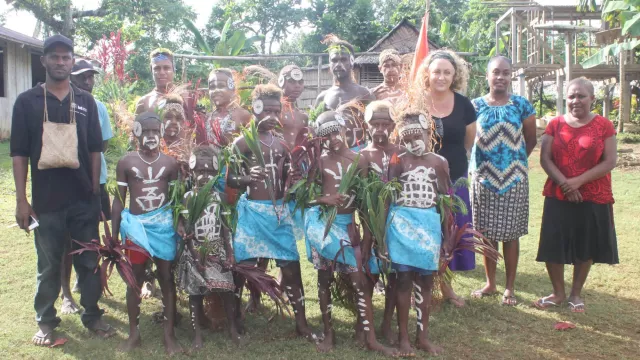
Anouk Ride is WorldFish’s social scientist based in the Solomon Islands. Ride’s research focuses on human wellbeing and social security. Ride works at the intersection of conflict, gender and social inclusion in small-scale fisheries, analyzing the root causes of exclusion and violence. She also examines local indigenous-led solutions to development and security challenges and shocks related to climate change. Read
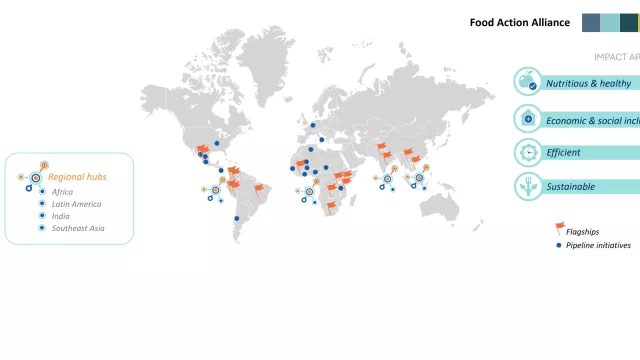
By: Dylan Anderson-BerensThe Food Action Alliance (FAA), a global food systems initiative facilitated in Latin America by the Alliance of Bioversity International and CIAT, promotes market-driven sustainable food systems transformation.

Tan spot disease, caused by the fungus Pyrenophora tritici-repentis, may be less well-known than other pathogens of wheat such as rust and blast, but its potential to become a major threat to wheat-growing regions worldwide is a serious concern. In Kazakhstan, one of the main wheat growing nations in Central Asia, farmers have struggled with tan spot epidemics since the
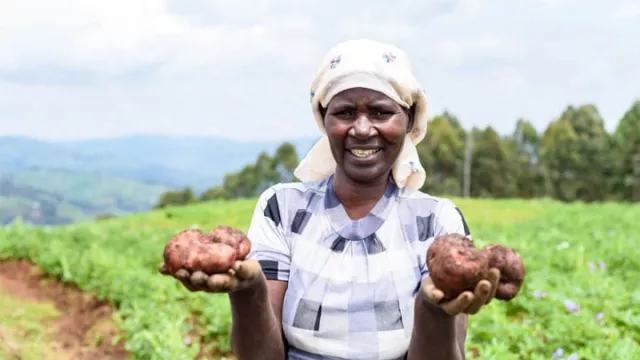
Successful innovation for agriculture will depend on thorough and careful understanding of the aspirations of beneficiaries and the challenges farmers face. It entails putting them at the center of these innovations. In Kabale, approximately 410 kilometres (by road), south-west of Kampala —the capital of Uganda — and bordering Rwanda to the east and south, we meet two farmers: Bone-Konsira Tumwesigwe and John Karugaba.
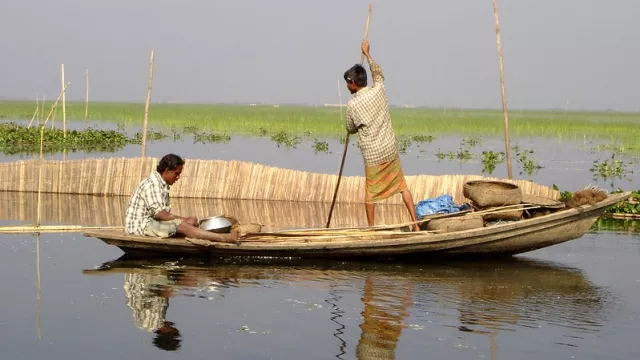
In this op-ed, WorldFish scientist Dr. Peerzadi Rumana Hossain explains how aquatic food innovations in Bangladesh can foster resilient, nature-positive food systems in the face of climate change. Read more
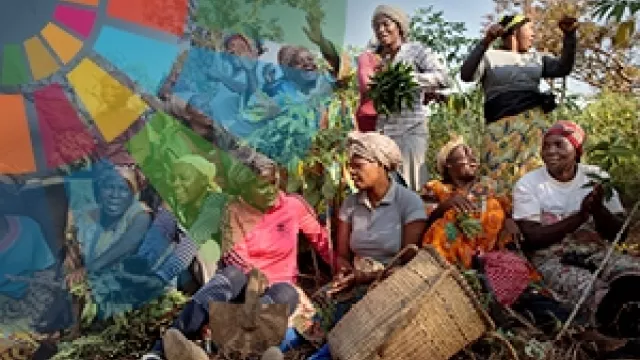
BY JEMIMAH NJUKI Somewhere in rural South Asia, a very enterprising woman toils for about 18 hours a day to feed and care for her family. However, despite working to the point of endangering her own health, she only gets a fraction of her labor. The bulk of her returns go to the landowner. I met Kapilaben during the South Asia

Tuesday, July 27, 2021 By Dr. Mourad Rekik – Principal Scientist – Small Ruminant Physiology Tunisian sheep reared in harsh conditions characterized by food and water scarcity are known as tough and hardy. But one concern of sheep farmers is gastrointestinal worm infestations.