
How Ethiopia’s indigenous plant secures the future
What if food and feed could grow continuously, be harvested at any time of year, and provide both protein and energy from a single plant?


What if food and feed could grow continuously, be harvested at any time of year, and provide both protein and energy from a single plant?

The resilience of integrated farming systems relies on keeping essential links among their components. In Ethiopia's Doyogena district, the most vulnerable part of the sheep-enset mixed farming system is the availability of feed during the dry season.
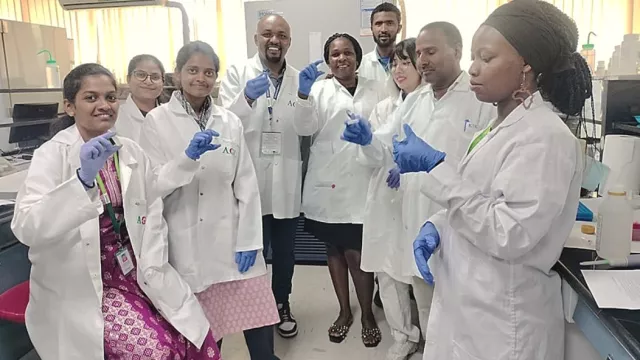
Five-day hands-on training equips scientists from Asia and Africa with practical genomics skills to improve the use of germplasm for breeding and food security.

Two panicum grass varieties Chano (Panicum maximum Jack) and Gardula (Dichanthelium latifolium) have been released for cultivation in Southern and Central Ethiopia.
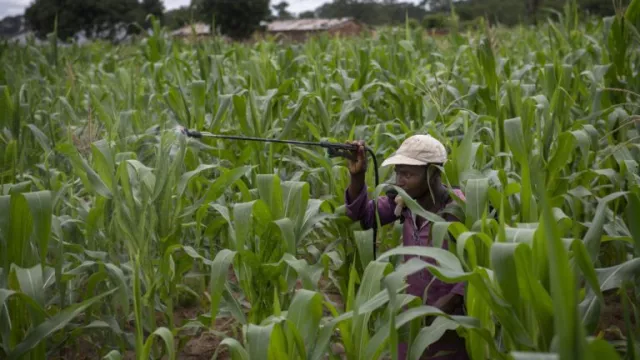
Many studies have demonstrated that low application of productivity-enhancing inputs such as inorganic fertilizer and improved seeds is a key constraint to low agricultural productivity in sub-Saharan Africa, including Nigeria.

Over the past 50 years, CGIAR research has shaped how food systems are understood and transformed. This blog distils key insights from that body of work and what they mean for addressing today’s food, climate, and development challenges.

Solving invasive species (and other) problems with fun and games. Innovative games and simulations are helping researchers and practitioners address invasive species and other complex environmental problems. This blog explores how CGIAR and partners use serious games to support learning, decision-making, and collective action.
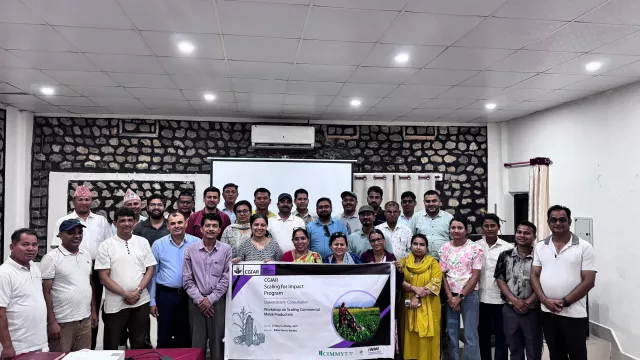
The Government of Nepal is scaling CIMMYT’s Maize Commercial Model (MCM)—an inclusive, market-based approach that turns spring and winter rice fallows into a productive 90–120-day maize window, backed by bundled climate-smart practices, services, and coordinated value-chain partnerships. Since 2022, MCM expanded maize area from 548 to 2,032 ha and lifted yields to 6.5 t/ha (about double the national average), while farmgate prices and incomes rose alongside ~USD 3M in public–private investment. In 2025, MoALD integrated MCM into its annual program, issued national implementation guidelines, and is scaling from Western Terai to Koshi Province—linking municipalities, cooperatives, and feed mills to strengthen input supply, mechanization, storage, and market access under the CGIAR Scaling for Impact Program.