
Providing African farmers with better varieties faster
CGIAR INITIATIVES Accelerated Breeding Primary Impact Area Nutrition, health & food security Related Impact Areas


CGIAR INITIATIVES Accelerated Breeding Primary Impact Area Nutrition, health & food security Related Impact Areas
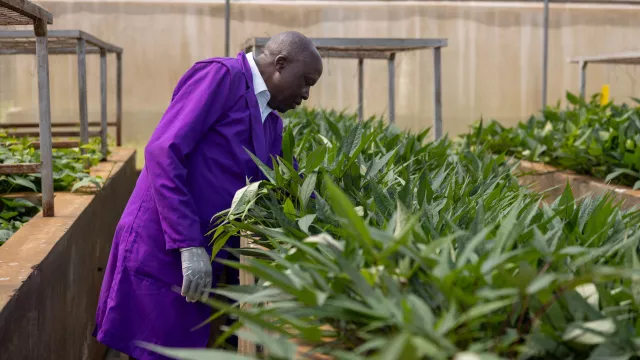
Breeding Resources Narrative Report_2022-2024 Editorial, by Sharifah Syed Alwee, CGIAR Senior Director, Breeding Resources Initiative Dear readers, At Breeding Resources, our vision is clear. We support CGIAR breeding modernization by providing high-quality services and cutting-edge tools and technologies to crop breeding programs. Without these, breeding remains a very expensive, time-consuming, and complex science. Operating in silos – where CGIAR Centers
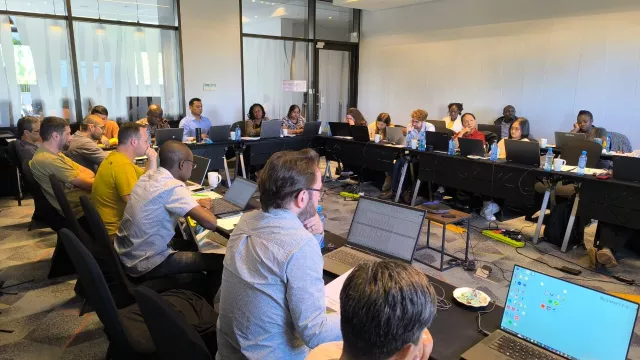
The development of Bioflow, CGIAR’s open-source breeding analytics pipeline, funded by GIZ through Crops to End Hunger, has never slowed down since its launch last year. Following several hackathons in February 2024 and November 2024, staff from all CGIAR Centers contributed their expertise to the ongoing development of the tool, highlighting the collaborative DNA that underpins its development. Here are
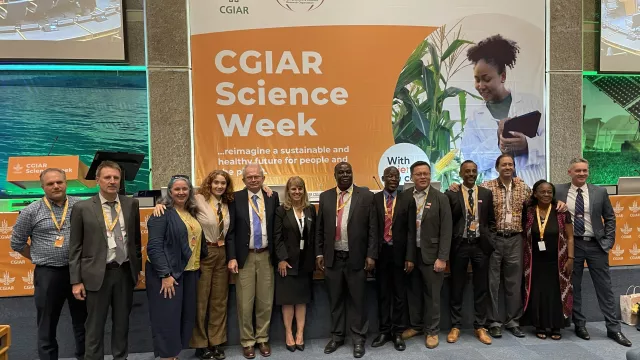
CGIAR launches a new Science Program to develop and deliver climate-resilient, market-preferred, and nutritious products for smallholder farmers worldwide Nairobi, Kenya – April 8 – As part of its 2025-2030 research portfolio, CGIAR launched Breeding for Tomorrow during its Science Week – a new Science Program designed to tackle one of the greatest challenges of our time: ensuring a global

At an engaging side event hosted by CGIAR’s Breeding for Tomorrow Science Program, stakeholders from across the agricultural landscape gathered for a high-level panel discussion entitled “Inclusive Delivery – Creating Strategic Roadmaps and Innovations for Accelerated Reach, Uptake, and Impact of CGIAR-NARES-led Breeding Programs.” Held at the United Nations Campus in Nairobi on April 11, 2025, the panel brought together
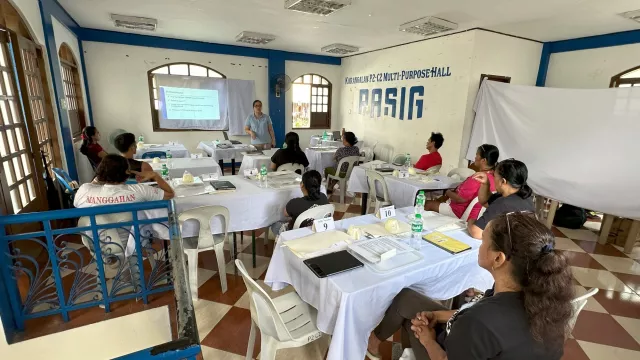
Marie Claire Custodio, Jhoanne Ynion, Nese Sreenivasulu, Matty Demont, Hans De Steur A market experiment session in Metro Manila, Philippines. (Photo courtesy of IRRI) The global shift in food consumption patterns has contributed to the rise of non-communicable diseases (NCDs), disproportionately affecting low- and middle-income countries, including those in Asia, where most of the population relies on white rice for
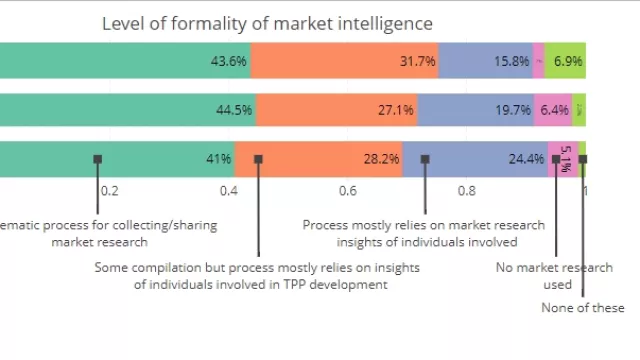
Berber Kramer, Brendan Rice, Carly Trachtman The integration of market intelligence into plant breeding is essential for aligning genetic innovations with real-world demand. However, a new study highlights persistent barriers that hinder its effective use. Researchers surveyed more than 500 breeding professionals across CGIAR, national agricultural research and extension systems (NARES), and small private-sector breeding enterprises to assess the adoption

Berber Kramer, Carly Trachtman, Jérémy Do Nascimento Miguel Investment decisions in agricultural research and development (R&D), particularly in plant breeding, often face significant ambiguity. Without clear market intelligence, funds may be spread across many breeding pipelines rather than concentrated in those with the greatest potential impact. A new study from the International Food Policy Research Institute (IFPRI) explored how plant