
How Ethiopia’s indigenous plant secures the future
What if food and feed could grow continuously, be harvested at any time of year, and provide both protein and energy from a single plant?


What if food and feed could grow continuously, be harvested at any time of year, and provide both protein and energy from a single plant?

The resilience of integrated farming systems relies on keeping essential links among their components. In Ethiopia's Doyogena district, the most vulnerable part of the sheep-enset mixed farming system is the availability of feed during the dry season.
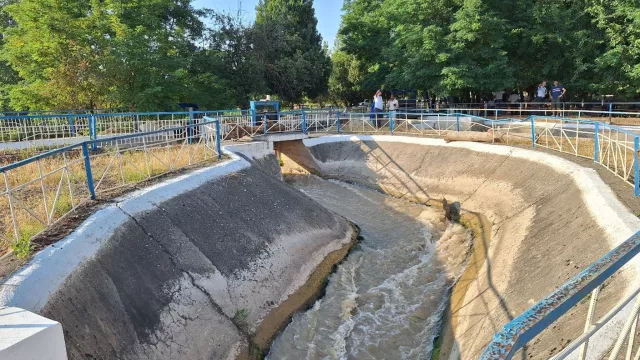
While Uzbekistan offers generous subsidies to tackle its water crisis, a hidden barrier remains: the power grid. Our research reveals why even 92% subsidies fail to convince many farmers when unreliable electricity and poor technical support make new technologies a risky bet.

Over the past five years, the Department of Cooperative and Rural Development (DCRD), under Vietnam’s Ministry of Agriculture and Environment, has collaborated closely with the Alliance of Bioversity International and CIAT and the National Institute of Nutrition (NIN) to advance the integration of nutrition-sensitive agri-food systems (NSAF) into national policy frameworks.

This post captures key insights from regional training sessions on climate, peace, and resilience conducted with civil society organizations in MENA. It focuses on how integrating social dimensions into climate work, combined with peer-to-peer learning, can strengthen advocacy, collaboration, and community-level resilience in complex contexts.
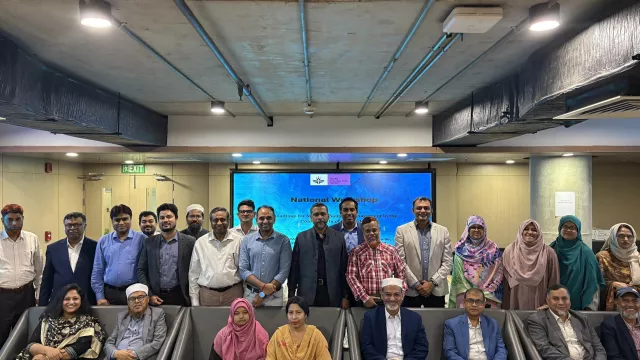
Increasing river salinity is a rising threat in Bangladesh’s coastal Ganges-Brahmaputra-Meghna Delta, affecting agriculture, livelihoods, and drinking water. Under CGIAR Scaling for Impact, IWMI has developed an AI/ML-driven salinity forecasting and advisory system to help farmers and water managers time sluice gate operations around polders to reduce salinity risk.

CGIAR Executive Managing Director, Ismahane Elouafi, named as one of the continent's top change makers.

Irrigation is a potentially transformative technology for sub-Saharan Africa (SSA) that can address many of the region’s food system challenges, including growing food import dependence and stagnating rural employment—both linked to low agricultural productivity growth, poor market access, and weak financial systems—as well as climate change, characterized by unpredictable rainfall, prolonged dry spells, and floods.