
Selling to feed, adapting to survive: The key role of traditional markets in Senegal
When seasons become unpredictable, roads deteriorate, and food prices soar, food insecurity does not only appear in farmers’ fields. It is also felt in markets.


When seasons become unpredictable, roads deteriorate, and food prices soar, food insecurity does not only appear in farmers’ fields. It is also felt in markets.

Young student researcher from Taita Taveta University - supported by the project led by the Alliance of Bioversity International and CIAT- AICCRA - are applying science to serve farmers in Machakos County through the ECREA project, linking research, learning, and community resilience against climate change. This is the experience in the student's own words.

A learning exchange in Kenya inspired Ugandan farmers: by integrating a community seed bank, diversified farming, value addition activities and cultural pride, communities can build a sustainable future by cherishing their neglected and underutilized crops.
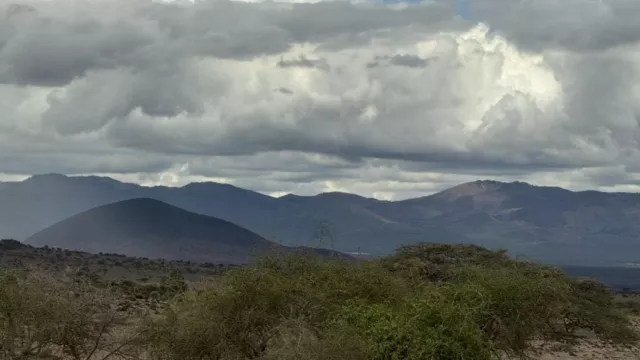
MoALD in collaboration with the Alliance of Bioversity International and CIAT under the CGIAR Climate Action Science Program , piloted a national NbS monitoring and evaluation (M&E) framework in Kenya's Chyulu Hills to track ecosystem restoration and climate resilience. This was achieved as part of an Initiative for Climate Action Transparency (ICAT) project, implemented with the support of UNEP-CCC.

In the streets of Addis Ababa or Butajira, food environments are filled with youth purchasing affordable snacks from small, informal vendors on the sidewalk. These vendors, just a few steps away from school gates or public transport hubs sell fried biscuits, chips, and other snacks that are easy to share with friends. You see young people often standing in groups after class; some pooling their pocket money to buy enough for everyone, ensuring no one is left out. Socializing and reinforcing friendships through sharing is a daily affair where big, individual meals are not always feasible, and where material scarcity is quite evident.

The livestock sector is a critical pillar of Kenya’s economy and rural livelihoods, contributing significantly to food and nutrition security, household incomes and employment.

Research examines the factors influencing these important crops' future performance, and makes recommendations for policymakers to ensure that banana, cassava, beans and rice continue to play a key role in global food security and agricultural economies through 2050.
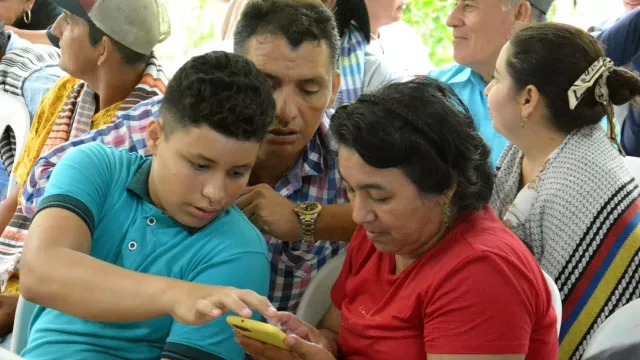
During two sessions in Morelia and Florencia (Caquetá), suppliers of Lácteos del Hogar were trained in MyGeoFarm and ZDA MRV systems to certify deforestation-free dairy products and safeguard forests