
Strengthening genetic conservation capacity in island food systems
CGIAR–SPC collaboration upgraded CePaCT systems, skills, and influence benefitting Pacific Island food systems through training, standards alignment, and policy voice.


CGIAR–SPC collaboration upgraded CePaCT systems, skills, and influence benefitting Pacific Island food systems through training, standards alignment, and policy voice.

Ensuring top-notch equipment reaches breeding research stations worldwide is vital, but equally crucial is empowering trialling and nursery teams with the skills to continuously generate high-quality breeding data. Effective management of breeding trials is essential for establishing selection conditions that lead to distinct trait expression among genotypes. Good trial management minimizes experimental errors, thereby aiding in the identification of superior

In late 2023, Breeding Resources Initiative tasked a fast-track team of biometricians with the development of a Breeding Analytics Pipeline to support CGIAR crop breeding activities, with the endorsement of Genetic Innovation leadership. The tool is now available to internal users. The Breeding Analytics (BA) Pipeline as a cutting-edge tool designed to guide decision-making processes in global crop breeding. It

In mid-February, a dedicated gathering of biometricians and quantitative genetics experts from CGIAR’s Centers convened in Nairobi for a week-long hackathon. Their mission? To refine CGIAR’s Breeding Analytics Pipeline, a cutting-edge tool designed to guide decision-making processes in global crop breeding. With a plethora of algorithms and software available for analyzing crop breeding data, harmonization and automation across CGIAR-NARES breeding
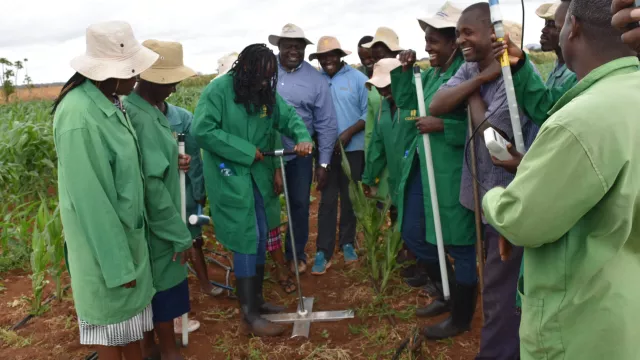
Also published in Farmers Review Africa, Smart Farmer Kenya, and included in Peoples’ Daily, “Challenging gender stereotypes to promote inclusion at workplace.” In agricultural research, a notable gender gap persists, particularly within the crop breeding sector. While women have often been well-represented in breeding labs and offices, they’ve been less present in field research work. In Kenya, the disparity in
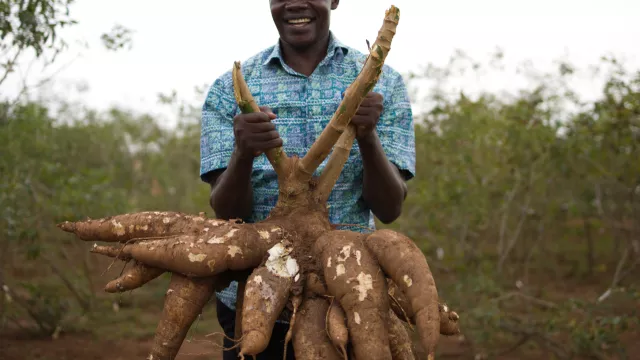
Roots, tubers, and bananas (RTB) are vital food sources for over 3 billion people in Africa, offering high calorie yields per hectare and essential nutrients. More resilient to drought than other crops, RTB are crucial for poverty alleviation. Often cultivated by women, they have diverse applications, spanning from food processing and industrial use to animal feed. But the vegetative propagation of RTB
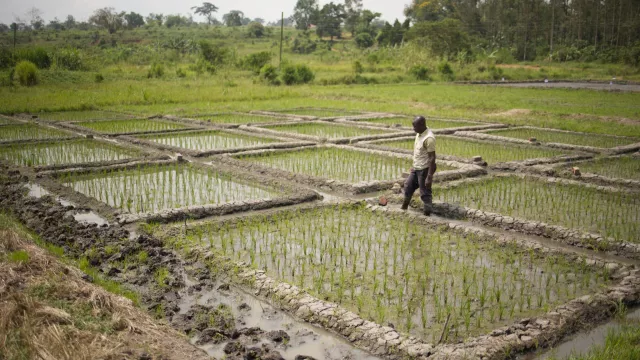
The low utilization of mechanization within CGIAR-NARES breeding programs in Africa is limiting their effectiveness and potential genetic gains. Manual management restricts the number of crosses and progeny assessments that can be performed, also affecting the uniformity and quality of nurseries and trials. Facility Upgrade and Mechanization Improvement, a fifteen-million-dollar project part of Crops to End Hunger, a multi-funder broad
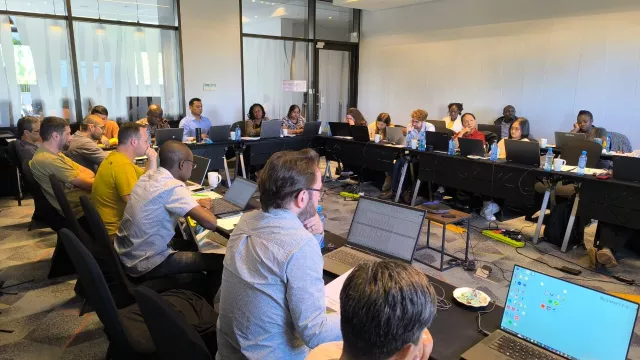
The development of Bioflow, CGIAR’s open-source breeding analytics pipeline, funded by GIZ through Crops to End Hunger, has never slowed down since its launch last year. Following several hackathons in February 2024 and November 2024, staff from all CGIAR Centers contributed their expertise to the ongoing development of the tool, highlighting the collaborative DNA that underpins its development. Here are