
Mitigation in rice: Evidence-based
Focuses on options for enhancing the uptake of low emissions development technologies and practices in rice through new technical innovations


Focuses on options for enhancing the uptake of low emissions development technologies and practices in rice through new technical innovations
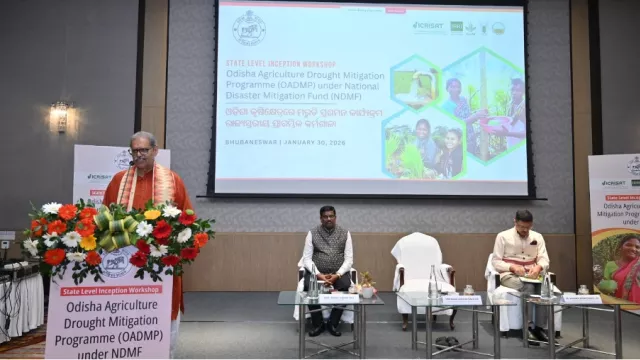
The International Crops Research Institute for the Semi-Arid Tropics (ICRISAT), in partnership with the Government of Odisha, ICAR–Central Research Institute for Dryland Agriculture (ICAR-CRIDA), and the International Rice Research Institute (IRRI), jointly organised the State-level Inception Workshop of the Odisha Agriculture Drought Mitigation Programme (OADMP) in Bhubaneswar on 30 January 2026.

Marking a breakthrough in the fight against food insecurity and low rural incomes in Malawi, the International Crops Research Institute for the Semi-Arid Tropics (ICRISAT), together with the Government of Malawi and national research institutions, has supported the release of the country’s first early-maturing vegetable pigeonpea variety, enabling farmers to earn sooner while improving household nutrition.

Access to credit from formal banks is limited for smallholder farmers due to high interest rates, difficulty in gathering the required documents, and other factors across Africa.

Every year, we reaffirm our commitment to women and girls in science. We host panels, share statistics, and celebrate role models. These efforts matter, but in Africa today, they are no longer enough.
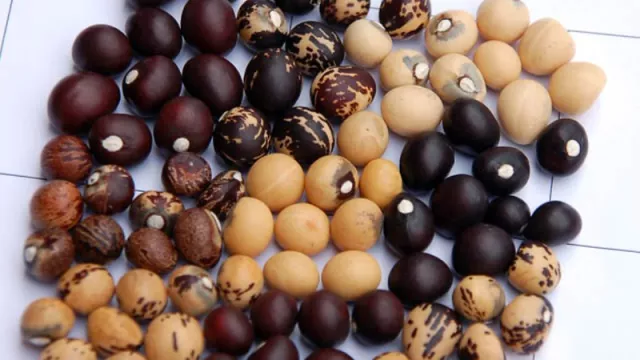
On World Pulses Day 2026, the theme chosen by the Food and Agriculture Organization, “Pulses of the world: from modesty to excellence,” could not be more timely. It captures a quiet transformation already unfolding across kitchens, streets, and food labs, especially in low- and middle-income countries where pulses have long anchored diets, livelihoods, and resilience.

Nigerien Leaders Engage with ICRISAT to Accelerate Climate-Resilient Agriculture. In Niger, where agriculture supports most livelihoods despite intensifying climate shocks, degraded soils, and limited access to quality seed, a deepening partnership with ICRISAT is driving more resilient farming systems nationwide.

In a major development following years of research efforts and collaborating with national systems and partners in Mozambique, IITA–CGIAR, in partnership with the Agricultural Research Institute of Mozambique (IIAM) and the Soybean Innovation Lab, released five climate-resilient soybean varieties in Mozambique in December 2025.