
Discover the story behind an alliance that transformed the countryside
In Senegal, water from the rainy season doesn’t fully disappear—it seeps into the clay-sandy soils of the lowlands in Sédhiou and Tambacounda, creating a hidden reservoir still largely untapped. As part of the AVENIR project, researchers from the Alliance Bioversity International & CIAT—led by Dr. Issa Ouédraogo, with Wilson Nguru, Wuletawu Abera, Christine Chege, Babacar Kane, Katiana Bougouma and Caroline Mwongera—analyzed nine
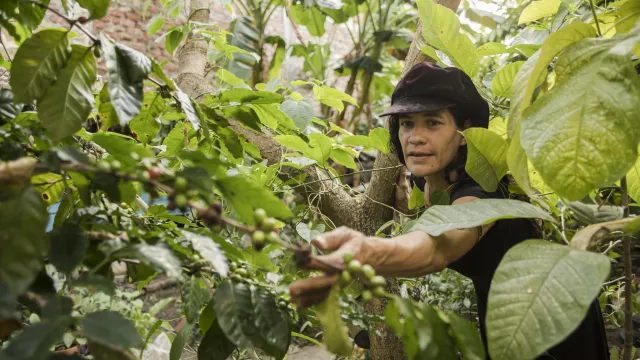
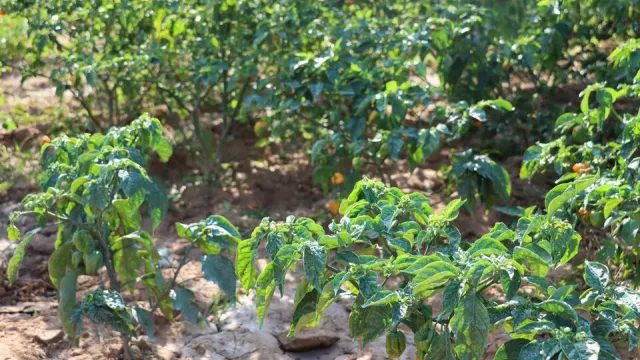
Photo credit: Investigación para Entorno Alimentario y Comportamiento del Consumidor. CIAT/Juan Pablo Marin García On May 22, 2025, CGIAR celebrates the International Day for Biological Diversity, reaffirming our global commitment to protecting and promoting agrobiodiversity as a foundation for resilient food systems, environmental health, and sustainable development. The Convention on Biological Diversity (CBD) issued this year’s theme, “Harmony with nature
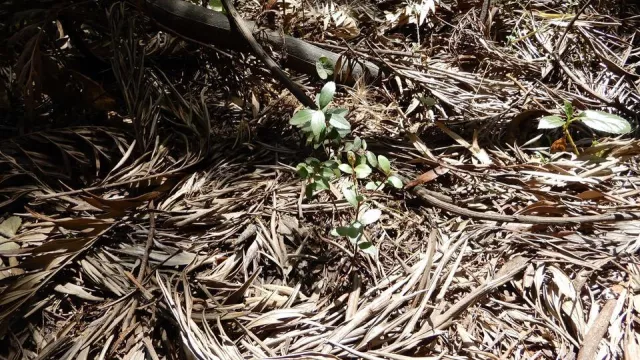
Ethiopia’s Green Legacy Initiative (GLI) aims to reverse land degradation, expand green cover and restore biodiversity. Though criticized in favor of a few exotic species (Grevillea robusta, Vachellia deccurens, Pinus patula, and Cupressus lusitanica), our findings suggest that these plantations effectively support the regeneration of native species in GLI sites. This underscores GLI’s potential in biodiversity restoration, climate resilience, environmental
by Christian Dohrmann Plant health is vital for both environmental and human well-being, as plants supply oxygen and food. However, rice crops face increasing threats from climate-induced stressors, pests, and diseases, all of which undermine sustainable agriculture and food security. Rice, a staple for over half the world’s population, is highly sensitive to its environment. Climate change has intensified extreme
In a world increasingly threatened by climate change and biodiversity loss, CGIAR has emerged as a global steward of Genebank system innovation. During the recently held Science and Partnership event in Nairobi, Kenya, CGIAR highlighted over five decades of work conserving agricultural biodiversity.
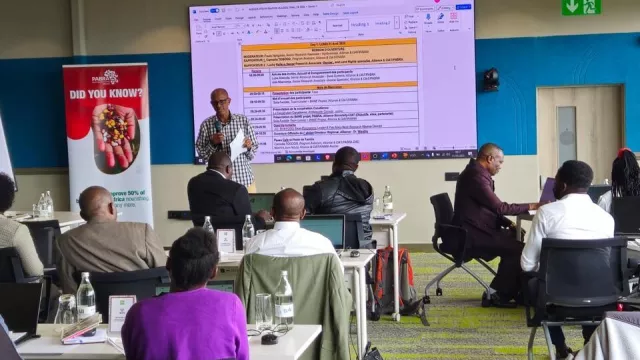
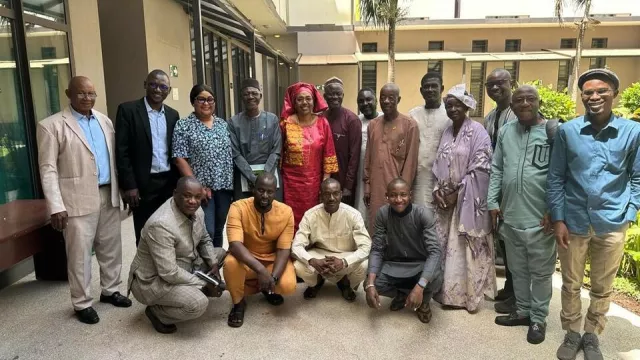
Gathered in Nairobi on 31 March and 1 April 2025, approximately thirty key actors in the Beans for Women Empowerment (B4WE) initiative mapped a new course for Eastern DRC’s bean value chain. The retreat set four priorities: widen the supply of biofortified seeds, accelerate agronomic and digital innovation, deepen women’s economic power, and weave conflict sensitivity throughout field operations
Amidst the challenges of drought, climate change, conflicts, and other shocks that significantly impact food security and livelihoods globally, the importance of early and anticipatory action has gained significant traction. This is particularly crucial in aiding pastoral communities in preparing for crises, underscoring the vital role of early warning systems in enhancing resilience. During the CGIAR Science Week at the