
Homegrown forages: Ethiopia’s newly released Panicum grasses
Two panicum grass varieties Chano (Panicum maximum Jack) and Gardula (Dichanthelium latifolium) have been released for cultivation in Southern and Central Ethiopia.


Two panicum grass varieties Chano (Panicum maximum Jack) and Gardula (Dichanthelium latifolium) have been released for cultivation in Southern and Central Ethiopia.

The story began in 2022, when farmers in Agoro East made an unusual decision: instead of dividing the land further, they chose to bring it together. 108 farmers pooled their individual plots into a single, collectively managed 52-acre farm, forming the Agoro East Aggregated Farm (AEAF).

Women, who account for approximately 80% of Kenya’s agricultural labour force, lead the Kabudi-Agoro Seed Bank. A group of 25 women now conserves over 100 varieties of indigenous, climate-adapted seeds, including 69 bean varieties and 18 sorghum varieties.

The Kabudi-Agoro Community Seed Bank has become a global beacon for turning once "illegal" traditional practices into a viable economic future.
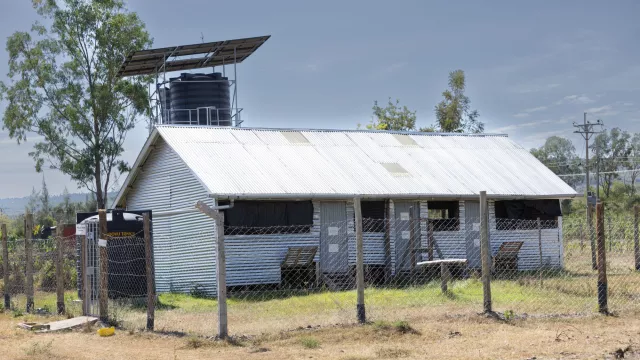
Innovation bundles are integrated technological, socioecological, and policy solutions to harmonize environmental health with human development, and a powerful example of this vision is unfolding in Nyakach, Kisumu County, Kenya.
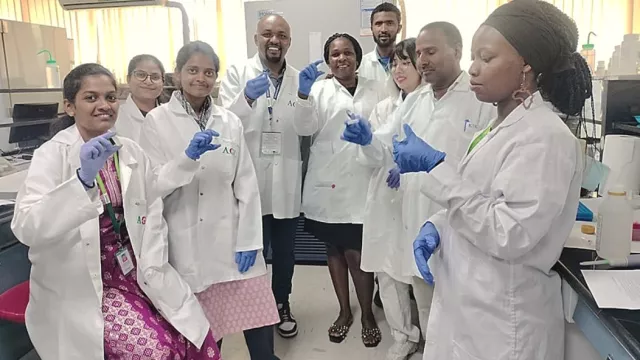
Five-day hands-on training equips scientists from Asia and Africa with practical genomics skills to improve the use of germplasm for breeding and food security.

After Cyclone Idai, women in rural Zimbabwe carry the hidden cost of recovery. This blog reveals how unpaid care work expands under climate stress, shaping food security, time poverty, and women’s everyday survival.

Climate security is shaped by complex, local interactions. Drawing on leading researchers, this blog explores how climate stress, conflict, data gaps, and system dynamics are reshaping how we study risk, resilience, and peace.