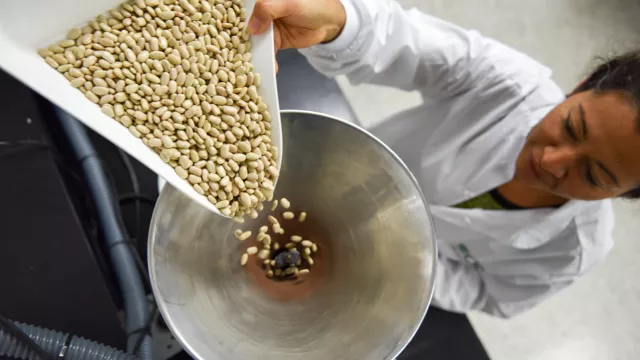
CGIAR genebanks modernize their approach to conservation through a shared policy framework that enables more dynamic curation of materials
CGIAR INITIATIVES Genebanks Primary Impact Area Environmental health & biodiversity Related Impact Areas


CGIAR INITIATIVES Genebanks Primary Impact Area Environmental health & biodiversity Related Impact Areas
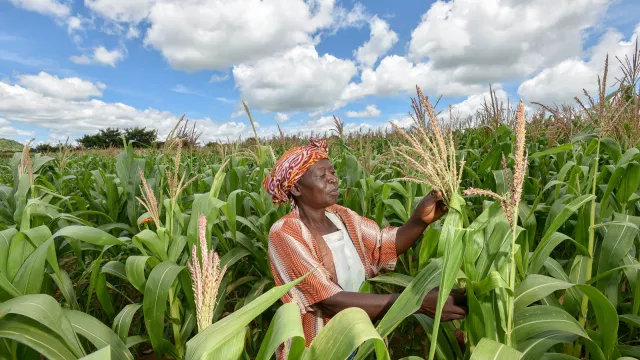
CGIAR INITIATIVES Mixed Farming Systems Primary Impact Area Nutrition, health & food security Related Impact Areas

CGIAR INITIATIVES Plant Health Primary Impact Area Nutrition, health & food security Related Impact Areas

Hybrid – Virtually via Zoom, and in-person at select CGIAR Centers- Register Now! In 2022, the United Nations designated 12th May as the International Day of Plant Health to raise global awareness on how protecting plant health can help end hunger, reduce poverty, protect biodiversity and the environment, and boost economic development. Healthy crops, healthy planet! But climate change
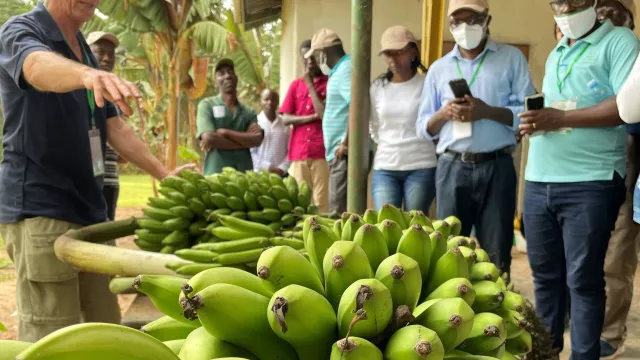
Scientists at CGIAR are releasing several high quality reference genomes representing African crops targeted by the agricultural research network. Eight banana, one cowpea and two common bean reference genomes were sequenced and released earlier in 2023. And now a new release contains both high quality reference genomes (three yam, two cassava) and high quality data (one potato, one sweet potato,
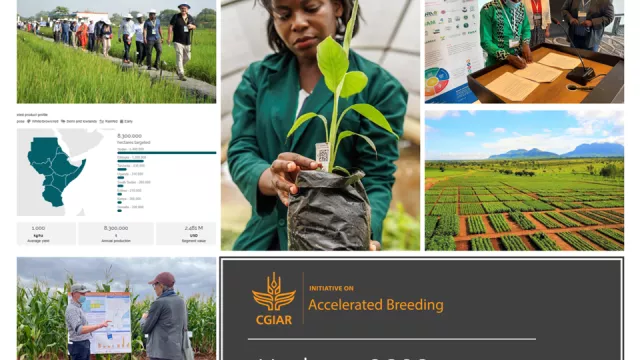
Updates from Accelerated Breeding: May 2023 After a year of transition and foundation setting – and important progress – 2023 has already seen some key steps and milestones in the Accelerated Breeding Initiative’s push toward greater impact from breeding. We aim to share these updates with you more regularly – so this edition may be a longer read than future

This article was originally published by Global Bar Magazine in Swedish: here Professor Lindiwe Majele Sibanda, Chair, CGIAR System Board With conflict in Ukraine, Sudan and elsewhere, the relationship between instability, migration and food security is increasingly apparent. The Russia Ukraine crisis, is affecting food systems around the world, driving up the price of grains and fertilizers with countries that can

100 million people in rural farming communities are expected to benefit from biofortified crops by the end of this year. Yet, at the same time, frequent global crises and climatic challenges are leaving more people vulnerable to the effects of malnutrition and compromised livelihoods. Three billion people cannot afford a healthy diet and at least two billion people still suffer