
Indigenous Peoples’ Food Systems Book garners Sustainability Award
The Hallbars Award brings welcome attention to the importance of indigenous knowledge and practices within resilient and sustainable food systems.


The Hallbars Award brings welcome attention to the importance of indigenous knowledge and practices within resilient and sustainable food systems.

The Fusarium wilt TR4 is ravaging banana plantations around the world. The Alliance of Bioversity and CIAT and partners in Yunnan, China explored the ability of five Bacillus strains to control the spread of TR4 by identifying its biocontrol activities through RT-qPCR.

Shakuntala Thilsted, recipient of the 2021 World Food Prize, explains why diverse aquatic food production systems need to holistically nourish the world in an article in Nature Food. As the world’s human population grows, fish and aquatic foods are set to play an increasingly vital role in food and nutrition security. Farming fish and other aquatic foods is one of

WorldFish researcher Jacqueline D. Lau answers questions on her new publication exploring the role of morality in climate decision-making. Read more
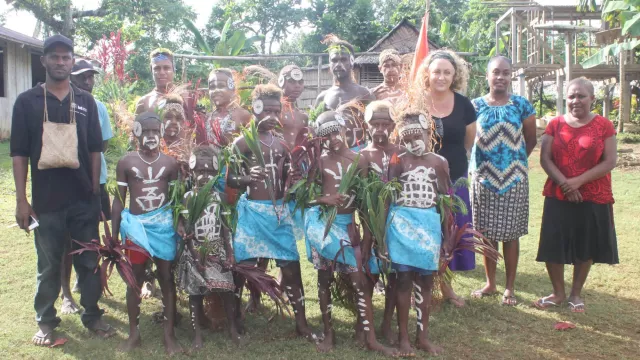
Anouk Ride is WorldFish’s social scientist based in the Solomon Islands. Ride’s research focuses on human wellbeing and social security. Ride works at the intersection of conflict, gender and social inclusion in small-scale fisheries, analyzing the root causes of exclusion and violence. She also examines local indigenous-led solutions to development and security challenges and shocks related to climate change. Read
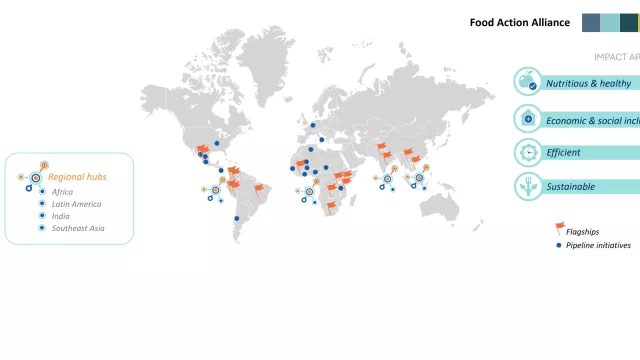
By: Dylan Anderson-BerensThe Food Action Alliance (FAA), a global food systems initiative facilitated in Latin America by the Alliance of Bioversity International and CIAT, promotes market-driven sustainable food systems transformation.

Tan spot disease, caused by the fungus Pyrenophora tritici-repentis, may be less well-known than other pathogens of wheat such as rust and blast, but its potential to become a major threat to wheat-growing regions worldwide is a serious concern. In Kazakhstan, one of the main wheat growing nations in Central Asia, farmers have struggled with tan spot epidemics since the
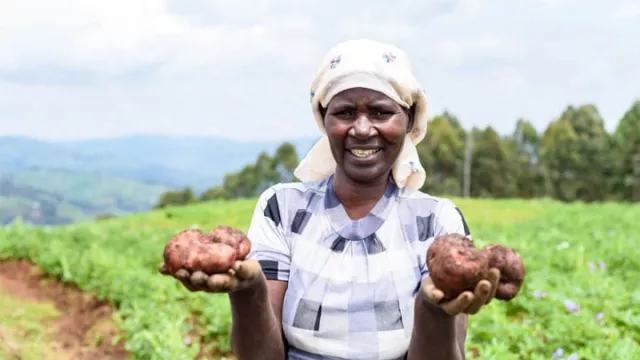
Successful innovation for agriculture will depend on thorough and careful understanding of the aspirations of beneficiaries and the challenges farmers face. It entails putting them at the center of these innovations. In Kabale, approximately 410 kilometres (by road), south-west of Kampala —the capital of Uganda — and bordering Rwanda to the east and south, we meet two farmers: Bone-Konsira Tumwesigwe and John Karugaba.