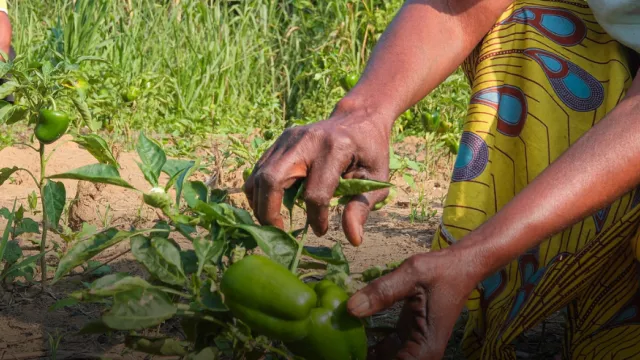
National policies and strategies driving policy innovation for global impact
Primary Impact Area Poverty reduction, livelihoods & jobs Related Impact Areas


Primary Impact Area Poverty reduction, livelihoods & jobs Related Impact Areas
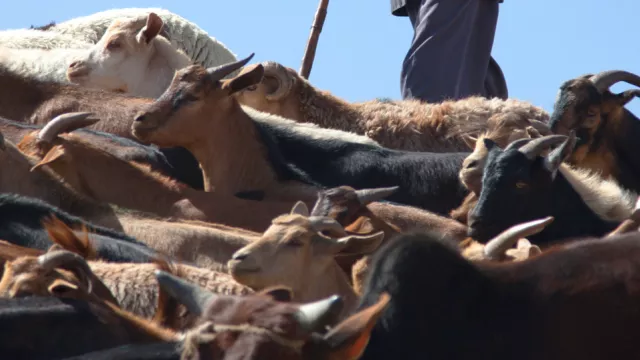
Primary Impact Area Poverty reduction, livelihoods & jobs Related Impact Areas

Researchers from the Alliance’s Artemis project developed mobile AI tools and farmer feedback systems in Tanzania and Colombia to transform how crop breeding responds to real-world smallholder needs. Across the Global South, crop breeding programs face a recurring challenge: the gap between improved varieties developed in research stations and the realities of smallholder farms. This mismatch is a byproduct
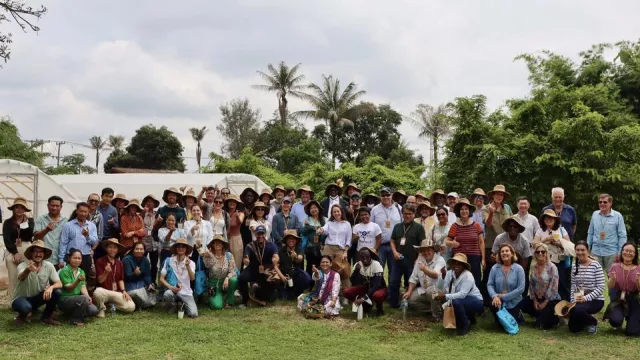
From June 9–13, scientists gathered to share ideas and innovations at Science Week: The Alliance’s annual event to exchange knowledge and accelerate collaboration around food systems research. This year’s conference took place in Vientiane, Laos, where the Alliance has a strong research and field presence. In this recap, we invite you to explore the emerging topics covered and hear from

The 7th meeting of The Glasgow Committee on Non-Market Approach (GCNMA) is to take place between 16 June and 26 June 2025 during the 62nd meeting of the UN Climate Convention Subsidiary Bodies (SB) in Bonn. The decisions of this meeting will determine the future of the implementation of Article 6.8 non-market-based approaches (NMAs) under the Paris Agreement which has

CGIAR employs a rigorous quality assurance (QA) process to ensure that its technical reporting is accurate and backed by high-quality evidence. This is crucial for CGIAR’s transparency and decision-making and for its accountability to its many donors and partners. The QA process involves independently evaluating in a multi-round validation process the key results submitted by CGIAR research programs each year
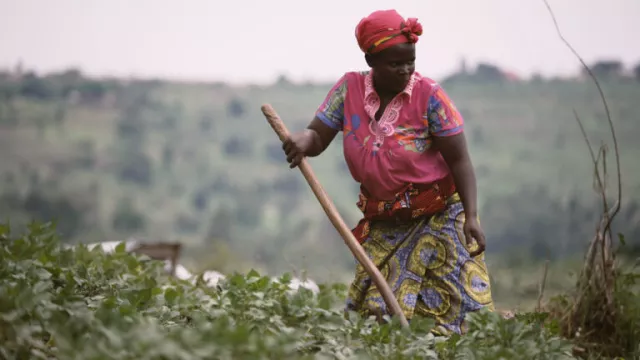
By Claudia Ringler, Edward Kato, and Geoffrey Kiguli June 16, 2025 Healthy soils play a critical role in supporting agricultural productivity, climate change adaptation and mitigation, and a range of ecosystem services. Yet sub-Saharan Africa has experienced the most severe land degradation in the world. There is no shortage of established ways to improve and restore soils—however, these all too often remain “on the
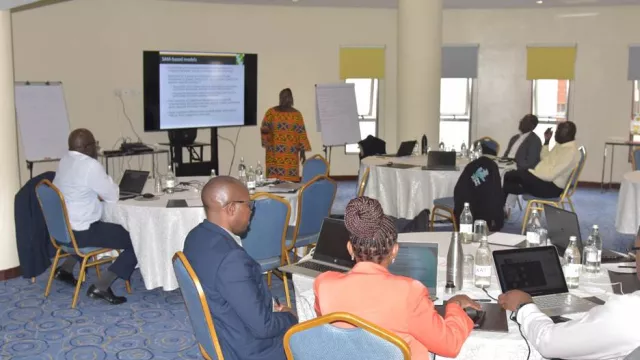
By Alex Oguso, Shadrack Mwatu, Juneweenex Mbuthia From May 5-9, 2025, the International Food Policy Research Institute (IFPRI) and the Kenya Institute for Public Policy Research and Analysis (KIPPRA) successfully delivered a training of trainers’ workshop under the CGIAR Policy Innovations program for the Kenya Revenue Authority (KRA) and KIPPRA staff. Building on the foundational work of the CGIAR National