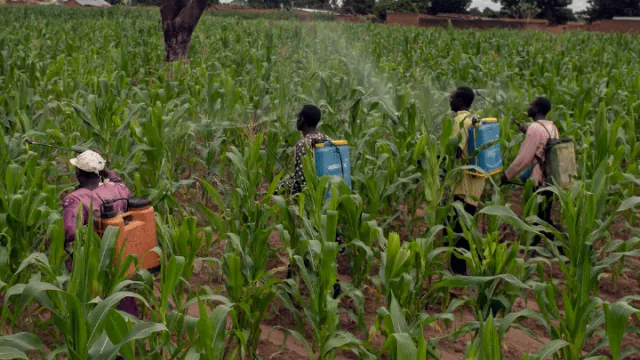
A One Health approach to plant health
The post A One Health approach to plant health appeared first on International Potato Center.


The post A One Health approach to plant health appeared first on International Potato Center.
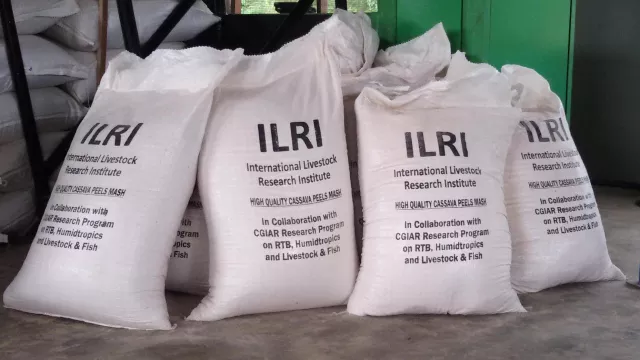
To make garri, cassava roots have to be peeled. Traditionally, the peels have been dumped in huge heaps and burned, or allowed to rot — turning them into an environmental hazard, as toxic compounds in the raw peels leached into waterways. Some producers attempted to dry the peels in the open air for use as a livestock feed, but this
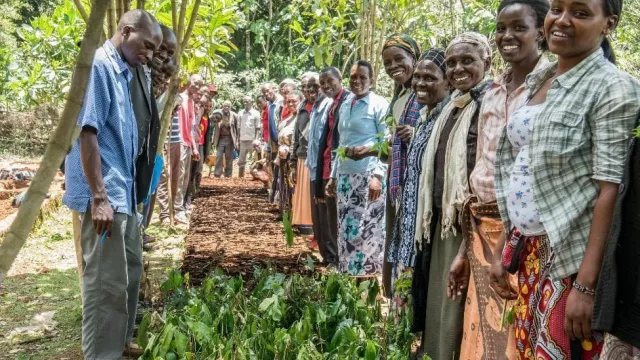
Discussions on gender integration in conventional breeding are not new. These talks started in the 1980s when women farmers were integrated into on-station and on-farm breeding activities (Sperling, Loevinsohn, & Ntabomvura, 2008). Currently, gender integration has shifted from mainly involving women and men farmers to include other value chain actors such as traders, processors, seed companies, aggregators, consumers, researchers, etc.
In a discussion with Carol J. Pierce Colfer, a CIFOR researcher with almost 50 years working on gender issues, researchers examine the growing role of “masculinities” in their research.
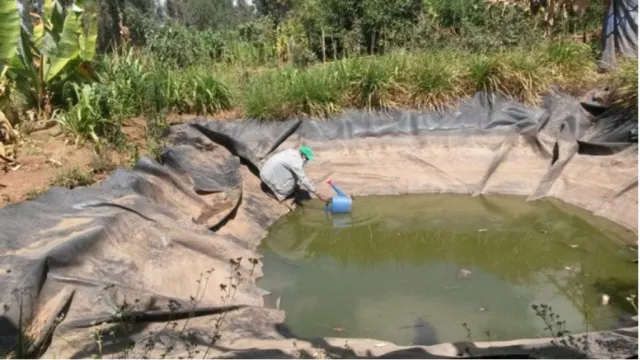
Getting a clear picture on landscape restorationOver the last 20 years, Ethiopia has sought to restore millions of hectares of degraded landscapes through various initiatives such as sustainable land management program (SLMP) and Productive Safety Net Program (PSNP). These initiatives foster hope that landscape restoration can not only help mitigate climate change through carbon sequestration but also improve rural livelihoods
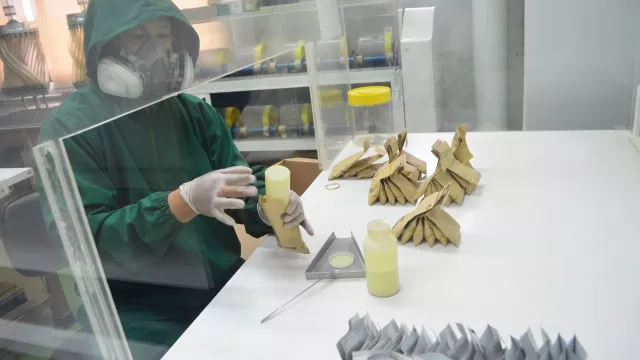
When parts of Asia looked to be on the brink of famine in the 1960s, scientists transformed agriculture through the Green Revolution. Catalyzed by the research-for-development network CGIAR, new wheat and rice varieties changed the destiny of food production. But approaches that delivered those life-saving seeds are now surpassed by more advanced methodologies and technologies. And adoption of these has
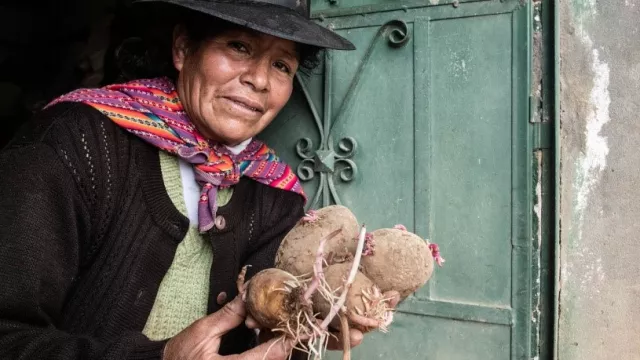
The production of root, tuber and banana crops (RTB crops) in developing countries has surged since 1960. A review recently published in the International Journal of Food Science and Technology suggests that the surge will continue to 2030 in light of past trends and recent projections. More than three billion people in developing countries consume RTB crops. For many of

IITA’s Director for Eastern Africa Hub and leader for Biotechnology research, Leena Tripathi, has been selected to be part of the External Advisory Panel of the newly launched Norwich Institute for Sustainable Development (NISD), UK. NISD is a world-leading institute that fosters sustainable development through transdisciplinary research and innovation. It is a partnership of leading research institutes working towards the UN Sustainable