
Banking on indigenous seed: investing in a healthier future
Vihiga, Kenya: researchers and farmers have established a community seedbank to cultivate traditional crops that can improve both health and livelihoods.


Vihiga, Kenya: researchers and farmers have established a community seedbank to cultivate traditional crops that can improve both health and livelihoods.

New crop varieties can help farmers thrive in difficult agricultural conditions, feed families and create livelihoods when sold or processed into other products. This creates a design challenge for breeders, who must anticipate which traits are needed for a variety to be adopted and have a positive impact for smallholder farmers and consumers. Hale Ann Tufan (Cornell University) is one

The economics of hunger and agriculture in Africa. According to the United Nations, the Covid-19 pandemic has the potential to double (to an estimated 265 million) the number of people without access to nutritious food, heightening the risk of malnutrition, hunger and social unrest in the near future. But the deeper truth of the matter is that Covid-19 only acts
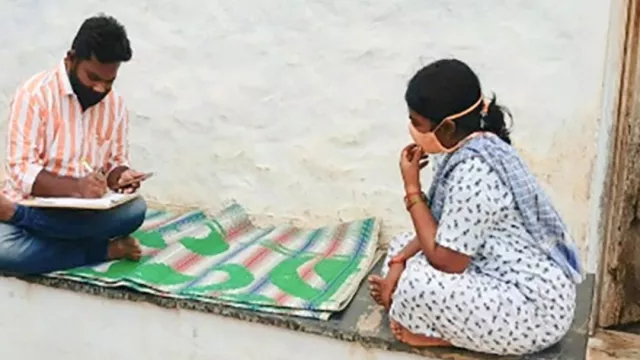
In a new paper in the journal Sustainability, ICRISAT researchers analyzed the double burden of the COVID-19 pandemic on farmers in a leading groundnut producing state in South India. Results showed that farm production and marketing disruptions led to an average 50% drop in household incomes, an added average 23% rise in farm input costs and increased food prices drove
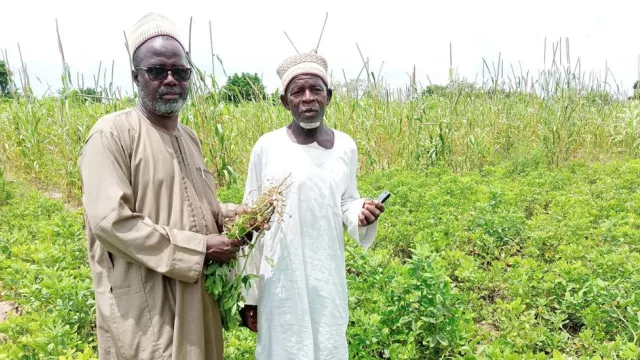
In a remarkable turnaround, farmers in Northern Nigeria organized themselves into innovation platforms, and with support from the Tropical Legumes (TL) project funded by the Bill & Melinda Gates Foundation, turned into successful groundnut seed producers in 2011. The impacts of those actions are felt even today, with farmers continuing to adopt improved variety seeds and good agronomic practices to
In a new paper in the journal Sustainability, ICRISAT researchers analyzed the double burden of the COVID-19 pandemic on farmers in a leading groundnut producing state in South India. Results showed that farm production and marketing disruptions led to an average 50% drop in household incomes, an added average 23% rise in farm input costs and increased food prices drove farmers into debt and contributed to poor
According to the United Nations, the Covid-19 pandemic has the potential to double (to an estimated 265 million) the number of people without access to nutritious food, heightening the risk of malnutrition, hunger and social unrest in the near future. But the deeper truth of the matter is that Covid-19 only acts as an early warning system for problems that the

Insufficient iron in diets is a leading cause of anemia, a condition that particularly affects pregnant and breastfeeding women, as well as children under the age of five. Through collaborative plant breeding efforts with farmers and other partners, CGIAR scientists have developed and scaled up hundreds of varieties of iron-biofortified beans in an effort to address the problem. Many varieties are developed