
Diversifying water storage choices supports river basin decision-makers
CGIAR INITIATIVES NEXUS Gains Primary Impact Area Environmental health & biodiversity Related Impact Areas


CGIAR INITIATIVES NEXUS Gains Primary Impact Area Environmental health & biodiversity Related Impact Areas

CGIAR INITIATIVES NEXUS Gains Primary Impact Area Environmental health & biodiversity Related Impact Areas

By Dominic Joaquim, Sansha van der Merwe, Ryan Nehring, and Jonathan Lautze The Incomati River Basin supports around 2.3 million people, and is shared among the countries of South Africa, Eswatini, and Mozambique. The basin is home to the Kruger National Park, and contains key environmental resources, many of which are highly developed for irrigation, hydropower, and domestic supply. The

By Vartika Singh, Mohammad Faiz Alam, and Ruchi Sharma India plays a pivotal role in global agriculture, being the second largest producer of significant crops like rice, wheat, sugarcane, pulses, and cotton. Within India, the Ganges River Basin is critical for food security both nationally and in the wider region. It provides over one-third of available surface water in India,
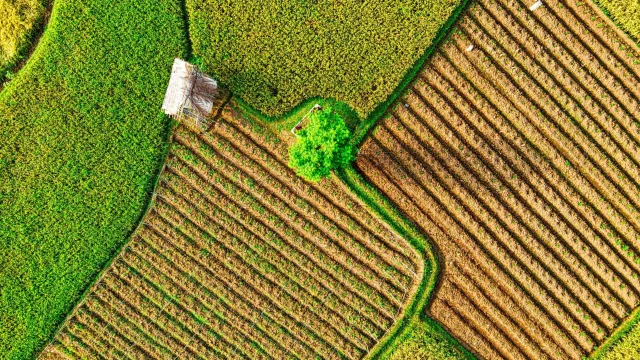
By Swatantra Kumar Dubey, Prakashan Chellattan Veettil, Proloy Deb, Anton Urfels, and Virender Kumar Farmers across the districts of Panipat, Sonipat, Karnal, and Yamuna Nagar in Haryana, India, have encountered considerable challenges over the past decade due to groundwater depletion and the adverse impacts of climate change. Despite the alarming decline in the groundwater table of 33 cm per year,

By Jessica Fanzo, Bianca Carducci, and Michael J. Puma Food, land, and water systems face daunting challenges in the future, and the body of research exploring these challenges is growing rapidly. This note is part of a series developed by the CGIAR Foresight Initiative to summarize what we know today about the future of various aspects of food systems. The goal of these notes

The IPBES Assessment Report on the Interlinkages Among Biodiversity, Water, Food and Health (and Climate) – known as the Nexus Report – was officially approved by 147 countries on 16 December 2024. This milestone marks the culmination of efforts to which the CGIAR Initiative on NEXUS Gains, and before it the CGIAR Research Program on Water, Land and Ecosystems (WLE),

By Swamikannu Nedumaran, Judy Thomas, Ravi Nandi, Jyosthnaa Padmanabhan, and Victor Afari-Sefa Food, land, and water systems face daunting challenges in the future, and the body of research exploring these challenges is growing rapidly. This note is part of a series developed by the CGIAR Foresight Initiative to summarize what we know today about the future of various aspects of food systems. The goal