
Advancing regulatory change for quality assurance of planting material for vegetatively propagated crops in Kenya
CGIAR INITIATIVES Seed Equal Primary Impact Area Poverty reduction, livelihoods & jobs Related Impact Areas


CGIAR INITIATIVES Seed Equal Primary Impact Area Poverty reduction, livelihoods & jobs Related Impact Areas
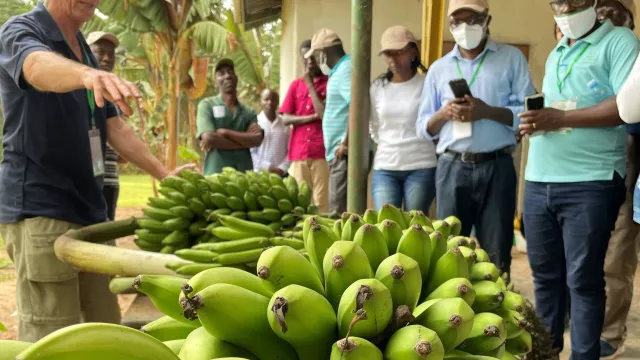
Scientists at CGIAR are releasing several high quality reference genomes representing African crops targeted by the agricultural research network. Eight banana, one cowpea and two common bean reference genomes were sequenced and released earlier in 2023. And now a new release contains both high quality reference genomes (three yam, two cassava) and high quality data (one potato, one sweet potato,
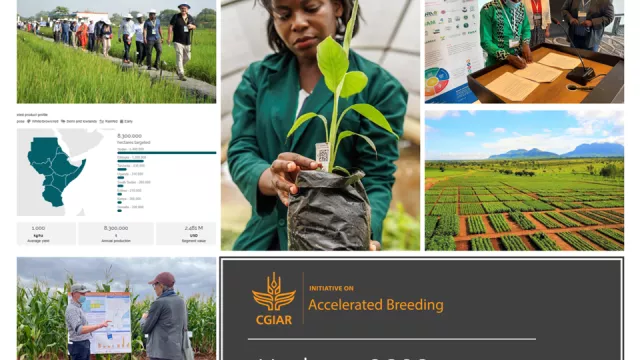
Updates from Accelerated Breeding: May 2023 After a year of transition and foundation setting – and important progress – 2023 has already seen some key steps and milestones in the Accelerated Breeding Initiative’s push toward greater impact from breeding. We aim to share these updates with you more regularly – so this edition may be a longer read than future

To boost the efficiency and sustainability of its data-driven breeding efforts, CGIAR has endorsed a new strategy ensuring all network partners use a single data system. The strategy also creates a new organizational unit to manage, develop, and maintain data management tools. The Enterprise Breeding System (EBS) has been chosen as the preferred data management system of CGIAR. However, as
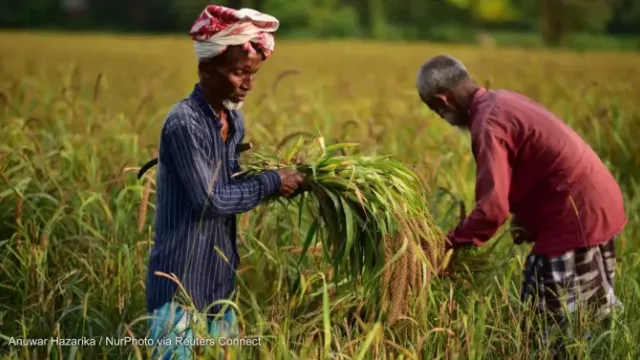
Across the world, agricultural scientists are starting to work backward. Improved crops that take decades to produce through labs and field trials are often rejected by the farmers who need them most. They might be pest-resistant, but take too long to cook. Drought-tolerant, but require expensive fertilizers. And high-yield, but with leaves that are too small to eat. But now,
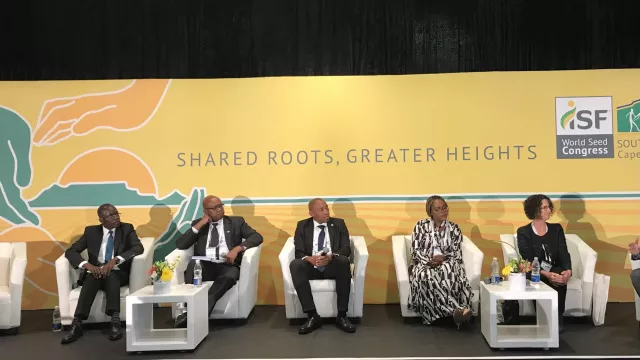
Building on CGIAR’s commitment to delivering improved varieties to smallholder farmers, the leadership team of CGIAR’s Genetic Innovation (GI) and Seed Equal Research Initiative joined forces with seed sector players at the World Seed Congress 2023 in Cape Town, South Africa organized earlier this month by the International Seed Federation (ISF). The event brought CGIAR together with private seed companies

CGIAR breeding programs and Centers have been coming together as One CGIAR, to ensure smallholders get the continually improving crop varieties they need. But this work relies on big changes and improvements, which in turn depend on effective and harmonized processes. Genetic Innovation (GI) is formalizing its systems to deliver these improvements across CGIAR-NARES breeding networks through Process Teams. But
Rice consumption and demand in Sub-Saharan Africa are experiencing an unprecedented increase yet rice breeding systems are not adapted Sub-Saharan Africa is witnessing a surge in rice consumption and demand that surpasses any other region worldwide. This phenomenon can be attributed to various factors, including population growth, urbanization, and evolving dietary preferences. Nonetheless, the vulnerability of traditional rice varieties, upon