
What really drives food policy decisions? A new blog series on practical political economy
Globally, 2025 marked a year with some important achievements and notable setbacks in efforts to achieve healthier, sustainable food systems


Globally, 2025 marked a year with some important achievements and notable setbacks in efforts to achieve healthier, sustainable food systems

Demand system estimation—gauging how consumer choices respond to changing prices and incomes—is a crucial facet of food policy research, yet remains a highly specialized and underdeveloped area in development economics

Irrigation is a potentially transformative technology for sub-Saharan Africa (SSA) that can address many of the region’s food system challenges, including growing food import dependence and stagnating rural employment—both linked to low agricultural productivity growth, poor market access, and weak financial systems—as well as climate change, characterized by unpredictable rainfall, prolonged dry spells, and floods.
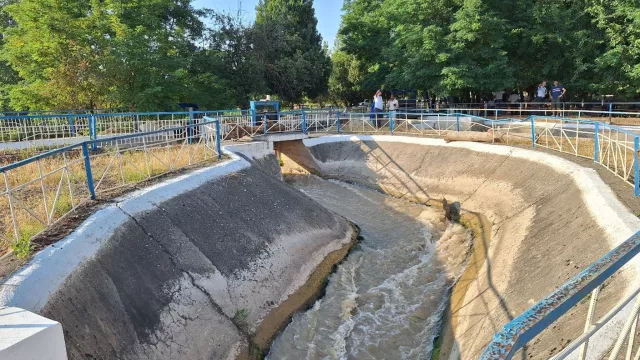
While Uzbekistan offers generous subsidies to tackle its water crisis, a hidden barrier remains: the power grid. Our research reveals why even 92% subsidies fail to convince many farmers when unreliable electricity and poor technical support make new technologies a risky bet.