
Do we need an IPCC for food?
An intergovernmental body that sets Paris Agreement-style targets for global food system transformation may help both people and planet. But needs a critical rethink to ensure legitimacy and impact.


An intergovernmental body that sets Paris Agreement-style targets for global food system transformation may help both people and planet. But needs a critical rethink to ensure legitimacy and impact.
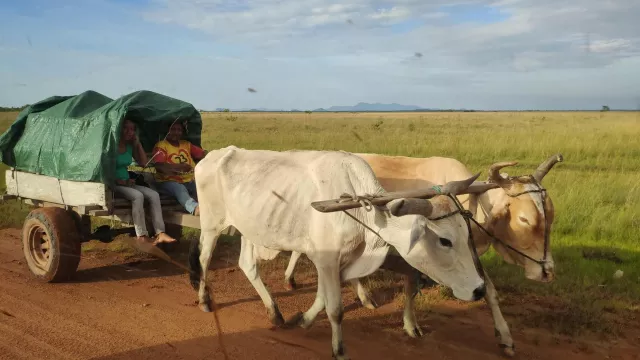
In our second of a two-part series on the challenges facing farmers in Guyana, we hear more about the challenges being faced and the concrete actions and recommendations that the Alliance and Guyanese partners can take. Read part one here.
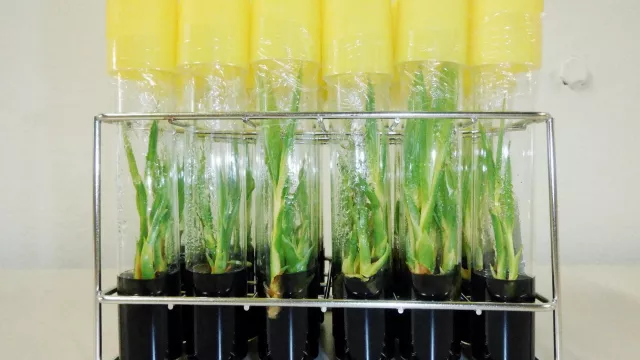
Coconut trees grow slowly and are difficult to clone. Scientists at KU Leuven and the Alliance multiplied seedlings faster and conserved coconut genetic resources for the long-term. This will help preserve coconut tree biodiversity and meet increasing demand for coconuts and derived products
As part of the 2nd International Agrobiodiversity Congress, November 15–18, we are thrilled to announce the Agrobiodiversity Innovation Challenge: Call for innovative solutions in the agri-food tech space. The need for innovative solutions to respond to challenges in agriculture, food and nutritional security, climate change, and environmental degradation has never been clearer. In few industries is this more pertinent than in agriculture. Current
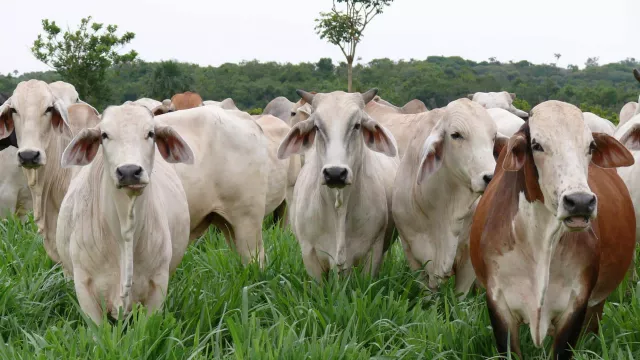
Substantial international investment is greening livestock farms with trees and shrubs to make them more productive and better for the environment. But excess male cattle from scaling up silvopastoral farms may contribute to deforestation elsewhere
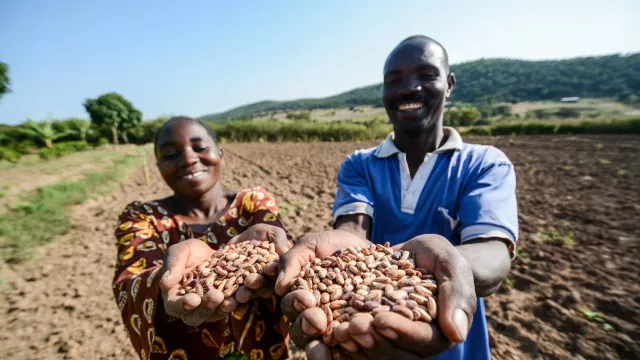
Two decades after the Bean Atlas’ first publication, a new digital version has arrived. The Team behind this edition explains how it evolved to meet current needs and knowledge gaps on bean research.

By: Dylan Anderson-BerensPrevious blogs in this series introduced the Food Action Alliance (FAA), its criteria to design and select flagship projects that take a food systems approach, and the resulting portfolio of FAA flagship projects and pipeline initiatives in Latin America. In this final blog, we explain how the FAA and its flagships relate to the United Nations Food Systems
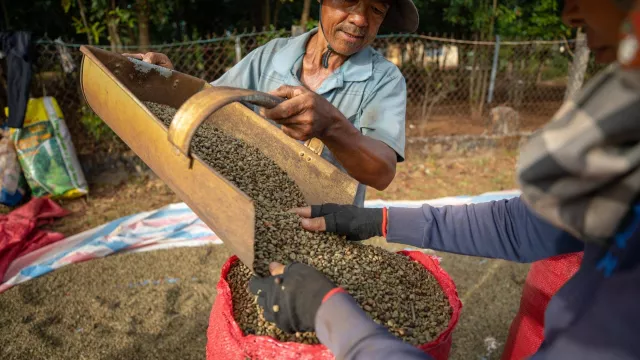
As most of the world relies on coffee, producers, roasters, and investors are becoming more committed to keep coffee-driven deforestation in Vietnam to a minimum.Through Artificial Intelligence (AI) and remote sensing, the Alliance and partners are providing information and opportunities to bridge gaps in monitoring forest loss due to coffee production.