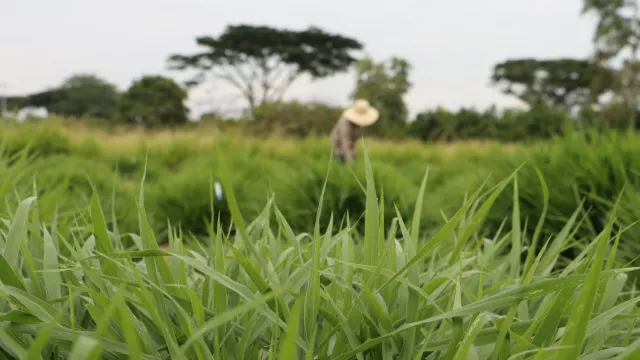
Discover the story behind an alliance that transformed the countryside


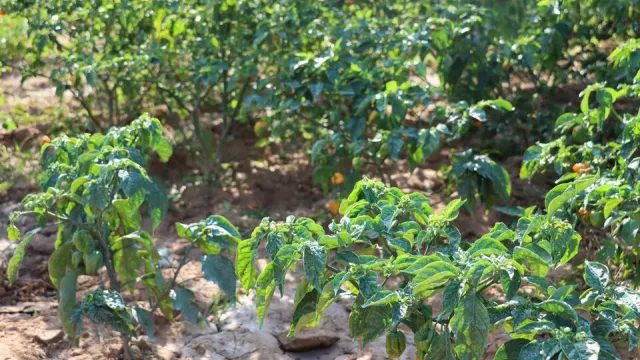
In Senegal, water from the rainy season doesn’t fully disappear—it seeps into the clay-sandy soils of the lowlands in Sédhiou and Tambacounda, creating a hidden reservoir still largely untapped. As part of the AVENIR project, researchers from the Alliance Bioversity International & CIAT—led by Dr. Issa Ouédraogo, with Wilson Nguru, Wuletawu Abera, Christine Chege, Babacar Kane, Katiana Bougouma and Caroline Mwongera—analyzed nine
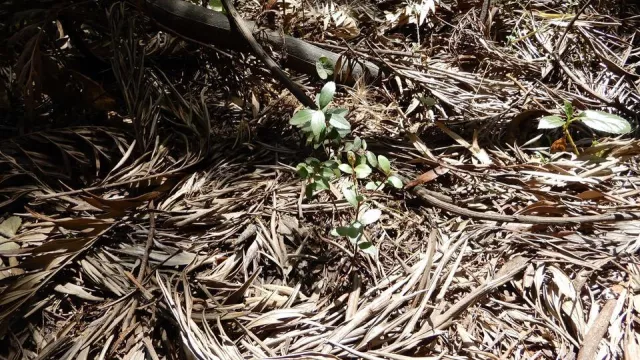
Ethiopia’s Green Legacy Initiative (GLI) aims to reverse land degradation, expand green cover and restore biodiversity. Though criticized in favor of a few exotic species (Grevillea robusta, Vachellia deccurens, Pinus patula, and Cupressus lusitanica), our findings suggest that these plantations effectively support the regeneration of native species in GLI sites. This underscores GLI’s potential in biodiversity restoration, climate resilience, environmental

As climate threats rise, CGIAR launched the MENA Climate Security Hub in Cairo, led by the Alliance of Bioversity and CIAT, to advance practical, science-based solutions for peace, resilience, and lasting impact across the region. The Middle East and North Africa (MENA) region stands at the frontline of climate change, where rising temperatures, water scarcity, and migration pressures are
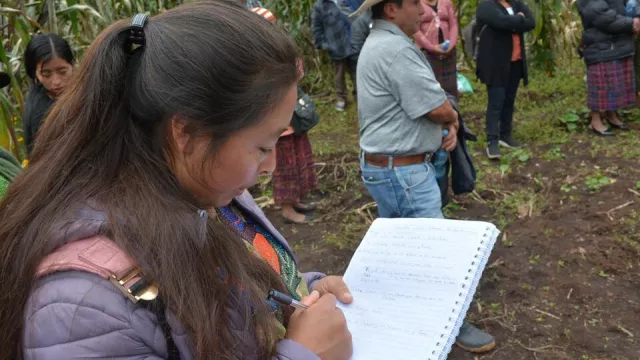
Science, innovation and local knowledge unite to transform agriculture in Latin America and the Caribbean. Latin America and the Caribbean is currently facing a critical scenario: climate change threatens agricultural production, food insecurity is on the rise, and ecosystems are under increasing pressure. In response to this reality, the Initiative AgriLAC Resiliente has shown that science, technology and local
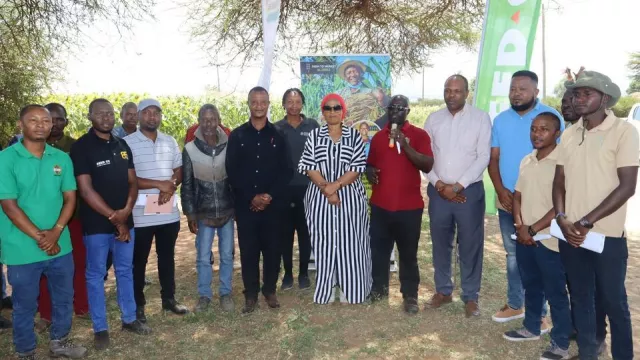
Farmers in Hanang, Tanzania, explored climate-resilient bean varieties during a field day hosted by Farm Africa, showcasing innovations from TARI, The Alliance, and partners aimed at boosting yields, resilience and livelihoods for smallholder farmers. In the quiet, sun-drenched fields of Dawar Village in Tanzania’s Hanang District, something remarkable unfolded. Farmers gathered not just to observe, but to imagine a
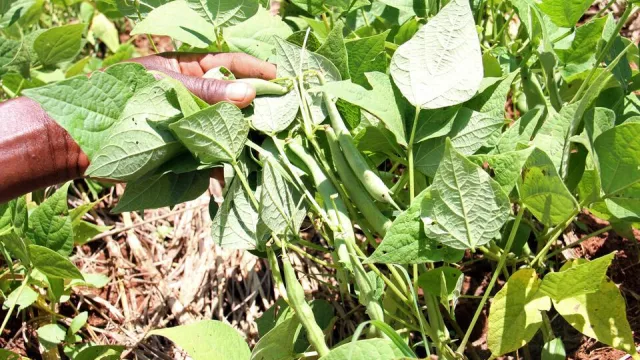
Kenya is transforming bean research through a KALRO-Alliance partnership focused on breeding climate-resilient varieties, improving seed systems, and building young scientists’ capacity to strengthen food security and support smallholder farmers. Kenya is taking bold steps to transform its bean research landscape through renewed collaboration, innovation, and capacity building. At the heart of this transformation is a growing partnership between
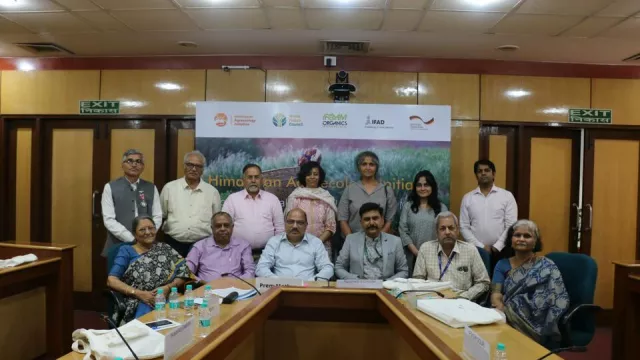
The Alliance of Bioversity International and CIAT organized the second Scientific Committee meeting of the Himalayan Agroecology Initiative (HAI). This international initiative aims to improve livelihoods and sustainability in the Himalayan region focusing on India, Bhutan and Nepal. HAI applies a food systems approach for developing agroecology roadmaps. HAI is funded by the Special Initiative Transformation of Agricultural and