


News Overview
7957 search results
-
-

CGIAR System Board Appoints Dr. Lindiwe Majele Sibanda as a Voting Board Member
The CGIAR System Board has appointed Dr. Lindiwe Majele Sibanda as a voting Board member. Dr. Sibanda is an award-winning and noted academic, thought leader and practicing farmer. Among her other roles, Dr. Sibanda currently serves as Professor, Director and Chair of the African Research Universities Alliance (ARUA) Centre of Excellence in Food Systems at the University of Pretoria, and
-
How Vietnamese farmers increase their profits from cultivating peanuts
Farmers in My Loi Climate-Smart Village in Vietnam can generate more profits from peanut cultivation by going organic. Inorganic fertilizers have been applied to improve crop yields but at the expense of the environment. Even worse, these fertilizers are contributing to greenhouse gas emissions, and thus to climate change. Agricultural stakeholders, such as the CGIAR Research Program on Climate Change,
-

Climate Security in the Sahel: Interview with PhD researcher Alexandra Krendelsberger for Women’s History Month
Written by Nina de Ayala Parker Photo credit: United Nations Chad Climate–exacerbated conflict in the Sahel is a stark example of the need for climate security research to contribute to peacebuilding efforts in the region. Parts of Burkina Faso, Cameroon, Chad, The Gambia, Guinea, Mauritania, Mali, Niger, Nigeria, and Senegal all make up the Sahel, a region with enormous opportunities and vast assets in terms of tourism, culture, natural resources, and energy. However, temperatures
-
Peter Hotez at ILRI on vaccines and misinformation
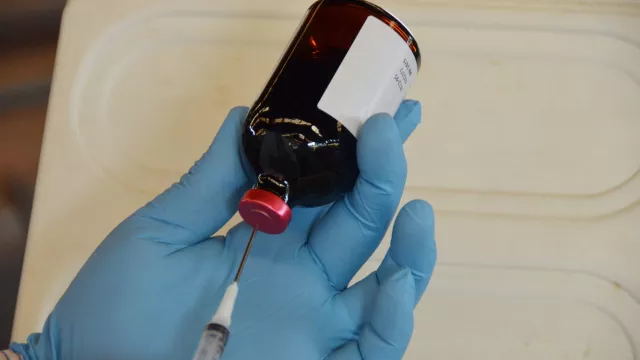
Peter Jay Hotez, an American pediatrician and leading international vaccine advocate, spoke out against the harsh global inequalities in the vaccine rollout of COVID-19 at the institute’s weekly virtual meeting on the 26 March 2020. Hotez, an expert in the field of global health vaccinology and neglected tropical disease control, spoke in interview with Eric Fèvre, a joint appointee at
-

Nairobi is rapidly losing its green spaces: this could open the door to more diseases
A research study led by the International Livestock Research Institute explored the impact of a growing and changing urban environment on the wildlife and livestock that live with people in Nairobi from 2013 to 2018. This is important because shrinking of urban green spaces increases the risk of spread of zoonoses (diseases that can be spread from animals to people). Photo
-
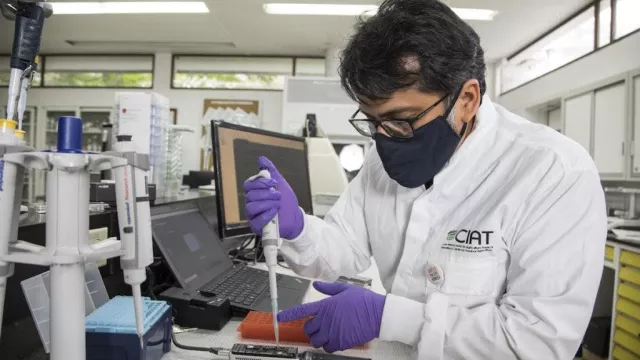
Bioversity-CIAT Alliance joins Colombian network to monitor the evolution of COVID-19 virus
The underlying technology used to track the evolution of plant viruses can help track human viruses as well.
-

Modern food security necessitates global citizenship
The United Kingdom’s reliance on fruits and vegetables from climate-vulnerable tropical countries shows how local or regional impacts from climate change have global consequences.