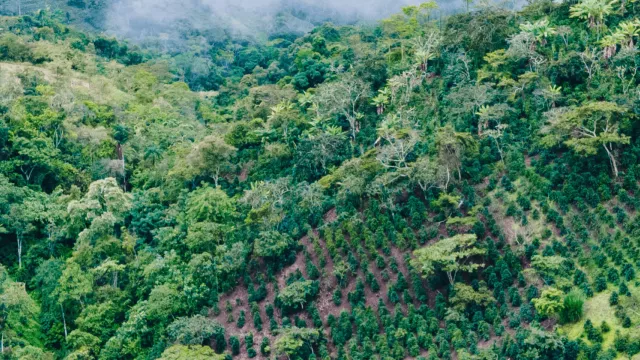
CafeClima, a new science-based tool for climate-smart coffee replanting investments
Aging coffee trees threaten supply—new data platform helps farmers and investors manage climate risk


Aging coffee trees threaten supply—new data platform helps farmers and investors manage climate risk
Natural language processing (NLP), a subfield of artificial intelligence that uses computational techniques to interpret, analyze, and generate human language, encompasses a range of tasks and techniques.
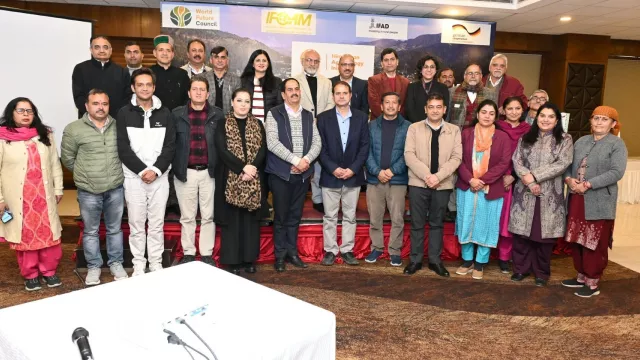
The Himalayan Agroecology Initiative (HAI) continued its state-level engagements with consultations across three different states in India, seeking to strengthen and refine the draft roadmaps that will soon guide the thinking and action of high-level decision-makers and key stakeholders toward enhancing food systems resilience in the country.

The Vietnam Agriculture newspaper reports on an international meeting to discuss low-emission solutions for Vietnam. At the meeting, ILRI's Hung Nguyen-Viet discussed how CGIAR research is supporting evidence-based food systems transformation in the country.

Ahead of IRYP 2026, young pastoralists from five countries adopted the Kobebe Declaration, urging for implementation of IGAD’s Transhumance Protocol to protect pastoralists cross-border mobility, communal land rights, and climate-resilient rangelands in the Karamoja Cluster.
Meeting the agricultural challenges of today while preparing for the needs of tomorrow requires a constant expansion of the tools available to farmers. At the heart of this effort is the Future Seeds genebank, managed by the Alliance of Bioversity International and CIAT, which serves as a global resource for identifying plant materials that can adapt to changing environments and production demands. By diversifying the options available to producers, it becomes possible to provide farmers with a wider range of options tailored to their land.

Uganda’s new Nyantonzi Community Seed Bank combines conservation with business, empowering farmers to safeguard traditional crops while processing them into profitable, nutritious products to build climate resilience and sustainable livelihoods.

The Africa Agriculture Adaptation Atlas is not the solution to Africa’s climate challenges, but it is changing how solutions are identified, financed, and implemented. It shows what becomes possible when data is open, institutions are empowered, and science is made truly usable.