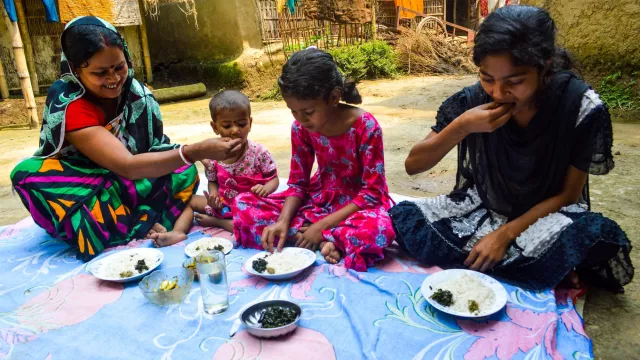
Global demand for aquatic foods set to nearly double by 2050
The world is likely to eat twice as much fish and other aquatic foods by 2050 compared to 2015 as demand surges throughout Asia and Africa, according to a new study. Read more


The world is likely to eat twice as much fish and other aquatic foods by 2050 compared to 2015 as demand surges throughout Asia and Africa, according to a new study. Read more
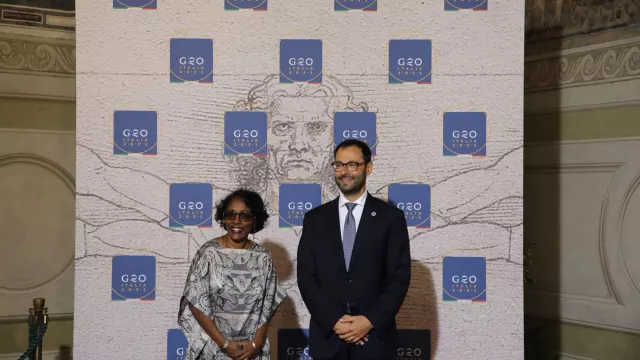
Addressing international delegates at the recent G20 Agricultural Ministers’ Meeting, CGIAR Managing Director of Global Engagement and Innovation Kundhavi Kadiresan highlighted CGIAR’s commitment to providing evidence-based science for the holistic transformation of food systems and CGIAR’s contributions to the upcoming United Nations Food System Summit (UNFSS) and Climate Change Conference (COP26). “We stand ready to support a robust, evidence-based science-policy dialogue. And
By: Dylan Anderson-Berens and Mark LundyThe Food Action Alliance (FAA), a global food systems initiative facilitated by the Alliance of Bioversity International and CIAT in Latin America, promotes market-driven sustainable food systems transformationIn our first blog in this series of four, we presented the Food Action Alliance (FAA) and its seven current flagship projects that respond to Latin America’s food system imperatives. As
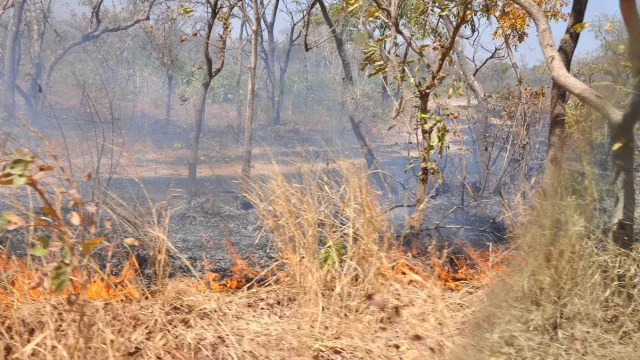
Controlled grazing and frequent use of fire are strategies to enhance sequestration and preservation of carbon in soils in African rangelands. However, pragmatic evidence has been lacking up until a recent study by scientists from the Center for International Forestry Research and World Agroforestry (CIFOR-ICRAF). The team worked in collaboration with Hawassa University in Ethiopia and the Environmental Institute for Agricultural Research
CGIAR CONTRIBUTORS ICARDA TYPE OF INNOVATION Biophysical science Genetic (varieties and breeds) Production systems and management practices Research and communication methodologies and tools Social science

The CGIAR Research Program on Roots, Tubers and Bananas (RTB) has a strong and close working relationship with Wageningen University and Research (WUR) in the Netherlands. As we move towards One CGIAR, RTB looks back on a fruitful collaboration and forward to good things to come. The CGIAR Research Program on Roots, Tubers and Bananas (RTB) and collaborators from Wageningen
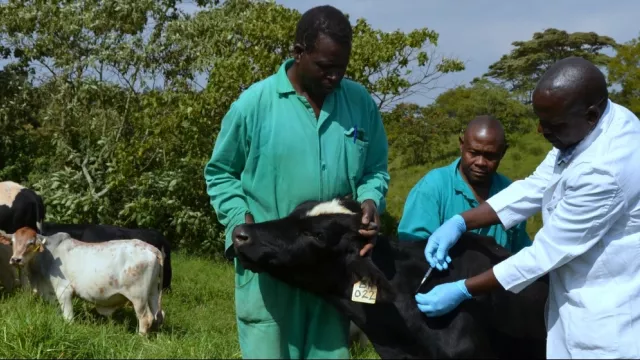
The COVID-19 pandemic is the latest and most disruptive in a wave of infectious disease outbreaks since 1980 for which zoonotic pathogens, a term used for diseases that jump from animals to humans, are responsible. HIV/AIDS and the 2009 H1N1 influenza pandemic also have their origins in animal hosts. The forces fueling this rise in zoonitic threats are only intensifying.
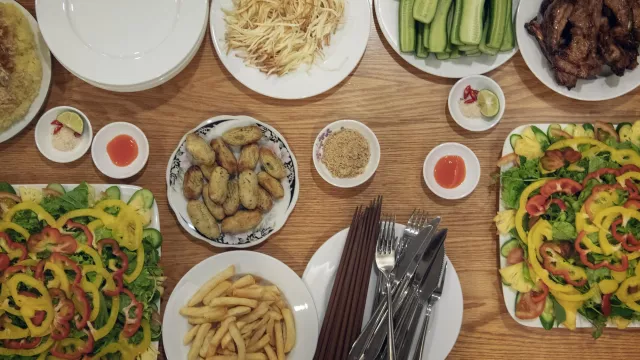
The global development community has been building toward September’s United Nations’ Food Systems Summit (UNFSS) for much of the past two years. The process has involved dialogues at the local, national, regional, and global levels, consultations with a wide variety of stakeholders, and the dissemination of new studies and reports. As a result, critical failings have been highlighted and innovative