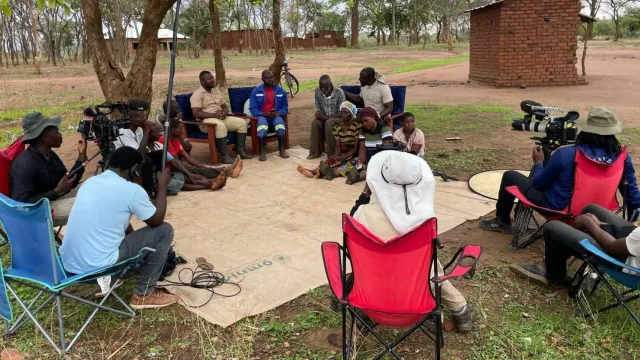
Bringing climate information to life: How Munda Makeover is empowering Zambian farmers
Popular TV show demonstrates the power of connecting weather data with farming decisions across Zambia.


Popular TV show demonstrates the power of connecting weather data with farming decisions across Zambia.
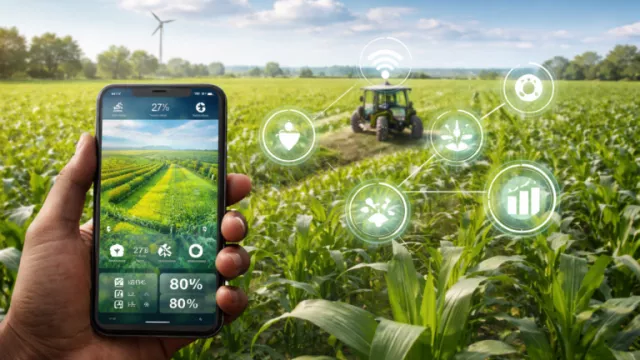
In this post, we examine that challenge and propose a solution to enable a rapprochement between content producers and data-hungry AI developers: content licensing agreements.

A recent review synthesizes this growing body of evidence, assessing not only the environmental and economic benefits of silvopastoral systems (SPS) in Colombia, but also the financial, policy, and market conditions needed to scale them. Drawing on more than 180 studies, the article positions SPS as a viable pathway toward a more sustainable, inclusive, and climate-resilient cattle sector in the tropics. So why haven’t these systems gone to scale? And what can Colombia’s experience teach the rest of the tropics about building sustainable cattle systems that work for farmers, investors, and the climate?

In the fields of Kenya, smallholder farmers are reviving ancient, eco-intelligent pest control methods, blending traditional knowledge with nature to build safer, resilient food systems.

As climate uncertainty grows, so does the pressure on Nigeria’s farmers to make the right decisions at the right time. Nigeria is addressing this challenge through a public–private partnership approach that enhances the accuracy, accessibility, and timeliness of weather and climate information and an early warning system (EWS) for farmers.

The institutionalization of VBS represents a significant step forward for urban food systems and micro-entrepreneurship. Under the ordinance, Quezon City aims to further strengthen vendors through comprehensive learning on safe food handling, climate change adaptation, and sustainability, ensuring that vendors are prepared to meet both present and future challenges.
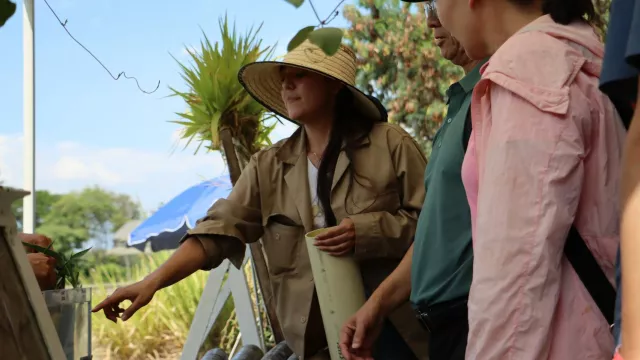
Meeting the agricultural challenges of today while preparing for the needs of tomorrow requires a constant expansion of the tools available to farmers. At the heart of this effort is the Future Seeds genebank, managed by the Alliance of Bioversity International and CIAT, which serves as a global resource for identifying plant materials that can adapt to changing environments and production demands. By diversifying the options available to producers, it becomes possible to provide farmers with a wider range of options tailored to their land.

When seasons become unpredictable, roads deteriorate, and food prices soar, food insecurity does not only appear in farmers’ fields. It is also felt in markets.